

Coronavirus has changed everything—but do you know how it’s changing your customers’ attitudes and buying habits? Given all of the new dynamics we are experiencing, there are likely new ways you can meet your customers’ needs that you haven’t yet considered.
Whether you’re leading a B2B, B2C, e-commerce corporation, or a nonprofit, you have likely spent hours agonizing over how best to pivot your business now that COVID-19 has seemingly put the world on pause. But first we really need to understand how these changes are impacting our clients, customers, and prospects.
As this situation continues to unfold, what worked last week may not this week and most people are just anxious to get back to “normal.” I’m willing to bet that the question on most small business owners’ minds is “when will I be able to fully reopen my business?” But what if there are better questions we could be asking ourselves to impact our future success?
Mindset makes all the difference right now. Everything is changing and we all need to be ready to ensure our messages are relevant in a post COVID-19 world. Instead of hunkering down and riding out the storm, why not spend this time rethinking what matters the most to your customers, both now and when restrictions are lifted. Reevaluating strategies and service areas may lead to new products or opportunities that extend beyond the shut-down.
Here are four strategic questions to help business owners prepare for the future:
How are my prospects and customers changing as a result of this pandemic?
The implications of COVID-19 are redefining what we value and how we will spend our time and money in the future. As we said in last week’s post, now is a great opportunity to pick up the phone and make some calls. Touch base with current and even former clients just to check in and see how they’re doing. This isn’t the time to sell, but to understand how your customers’ needs are changing and make intentional investments in relationships that could become new business in the future. If you have a larger client base and/or storefront, another option may be to send out a survey via email that gauges their needs, and even seeks their opinions about how to make them most comfortable when it comes to visiting your business after the pandemic.
2. Are there ways that I could pivot my business to meet an emerging demand?
As you have these conversations with your customers, listen for opportunities to pivot one or more of your service areas to meet their evolving needs. We aren’t saying you need to reinvent your business but some areas may need a renovation. Take a look at your value proposition and make sure that it’s still relevant in a post COVID-19 world. Updating your tactics and services can give you a competitive edge when people are ready to re-engage with your business.
3. How should I update my marketing strategy to adapt to these changes?
As you lead your business into new territory, you will need to adjust your messaging. We’ve talked about ways we can be proactive with our marketing while things are on pause but what about when business starts to ramp up again? New or reconstructed service areas may need a more intentional investment in strategies like video marketing or search engine optimization to help you best communicate the value you’re adding to your customers’ lives.
4. What will be my priority as restrictions begin to lift?
The answer to this question will vary greatly depending on how severely this closure has impacted your business. While we won’t be able to simply “pick up where we left off,” we can take proactive steps now to lay a strong foundation for the future. Questions like these are helpful because while we will eventually fully reopen our economy, the landscape will never be “the same.” As people adapt to new ways of living and doing business, some of these changes will last long after the pandemic ends. There are shifts in mindset, strategy, and practicality that will withstand the current turmoil and redirect consumer behavior. Therefore, we must be ready to pivot as needed and effectively communicate with our customers in light of the anticipated “new normal.”
Our recommendation is that you don’t sit idly by waiting for restrictions to lift to start rethinking— and perhaps relaunching—some aspects of your business, sales, and/or marketing plans. We are here to help you think through these things from a both a strategic and a creative perspective, and get ready to come out swinging. Please let us know how we can help!

Cross & Crown
Based in Chambersburg, PA, we build & refine brands that inspire trust, drive engagement, lead with purpose, and ensure a thriving future.
Read More
September 8, 2026
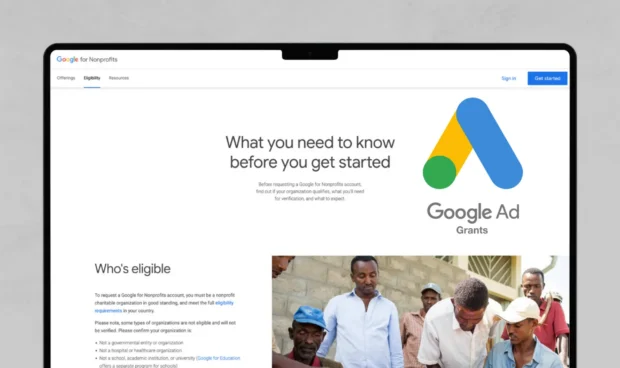
Google Ad Grant Eligibility: What Nonprofits Get Wrong
Many nonprofits focus on qualifying for the Google Ad Grant but overlook what comes next. This article explores the misconceptions that limit success, why strategy matters as much as eligibility, and how organizations can turn free advertising into meaningful engagement with donors, volunteers, and the communities they serve.
Read Post
September 1, 2026
A County Government’s Guide to Modern Public Communications
Public trust is built one interaction at a time. Discover how county governments can modernize their communications, improve the resident experience, and support long-term engagement with practical, people-first strategies.
Read Post
August 17, 2026
Email Drip Campaign Strategies for a Better Customer Journey
Email automation works best when it feels personal. Learn how drip campaigns help businesses connect with audiences, nurture relationships, and deliver the right message at the right time.
Read Post