

A website redesign is a big investment, so it’s fair to ask: is it actually worth it?
For many organizations, the website slowly becomes something that no longer supports the business the way it should. Maybe it feels outdated, loads slowly, is difficult to update, or simply isn’t generating the leads and engagement you expected. And while redesign conversations often focus on appearance, the bigger question is whether your website is helping your business grow or quietly holding it back.
A strong website should do more than look modern. It should help people understand your brand, build trust, improve the user experience, and drive measurable results over time. In this article, we’ll break down how to evaluate the real ROI of a website redesign—from conversion rate improvements and organic traffic growth to long-term operational and marketing value. At Cross & Crown, we’ve seen firsthand how strategic redesigns can turn a website into a tool that actively supports business growth for years to come.
What “Website Redesign ROI” Really Means
Website redesign ROI is the financial and strategic return your business gains from a redesign project compared to the total cost of the investment.
Website ROI includes both hard numbers and softer gains:
- Hard metrics: Qualified leads, incremental revenue, support cost reductions, reduced maintenance costs
- Soft gains: Brand credibility, sales enablement, talent attraction, customer satisfaction
How you define ROI depends on your business model. An e-commerce site focuses on sales velocity and cart value. B2B lead generation prioritizes qualified leads and pipeline value. Nonprofits measure donation uplifts and volunteer sign-ups.
Here’s a critical stat: 75% of users judge a company’s credibility based on its website design. A modern website design can enhance brand perception, contributing to increased trust and credibility with your target audience—which directly impacts whether prospective clients take the next step.
Calculating the Cost Side of Your Redesign Project
Accurate redesign ROI starts with a realistic view of total project cost—not just the invoice from your web designer or agency.
Typical Cost Components
- Strategy and UX discovery: Audits, user research, competitor analysis (10–20% of budget)
- Design and website development: Core build (40–60%)
- Content creation and migration: Writing, editing, asset transfer (15–25%)
- Integrations: Marketing tools, CRMs like HubSpot or Salesforce
- QA, launch support, and training
The total cost of a website redesign includes both direct costs—design and development fees—and indirect costs like internal staff time spent on project management, workshops, approvals, and content migration. A comprehensive website redesign can take anywhere from a few weeks to several months depending on scope.
Don’t forget ongoing costs that affect long-term ROI:
- Annual hosting ($400–$2,000)
- Security and maintenance retainers ($1,500–$10,000/year)
- Paid tools (form builders, analytics platforms)
- Content updates over the website lifespan
These ongoing expenses must factor into your total cost of ownership calculation for an accurate picture of initial project cost versus long-term value.
The Revenue & Growth Side: How Redesigns Lift Conversions and Traffic
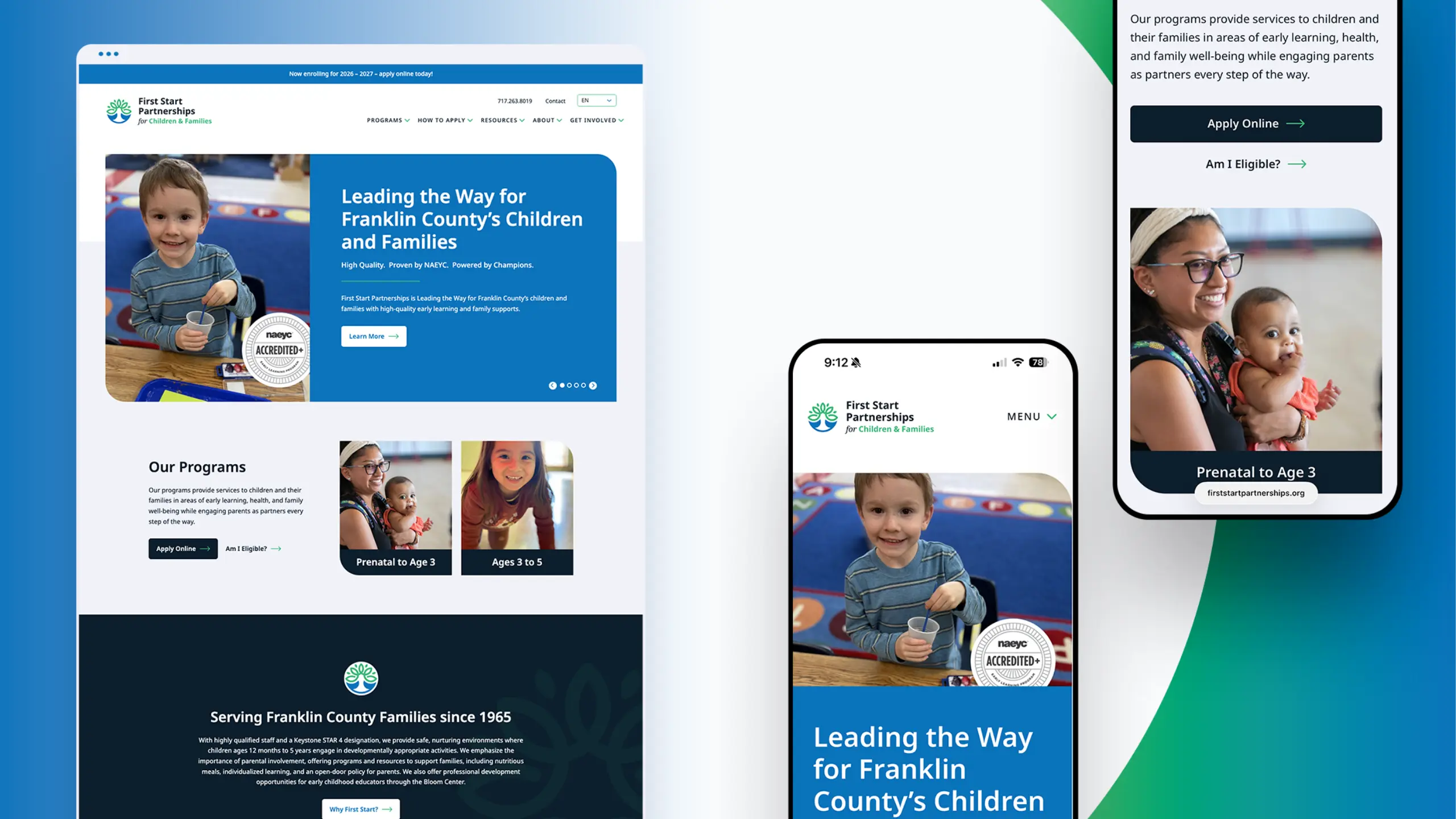
The biggest financial impact of a new site typically comes from stronger lead generation, higher conversion rates, and better use of existing traffic.
The core formula: Website visitors × Conversion rate × Average value per conversion = Revenue
Even modest conversion lifts dramatically improve results. Many legacy B2B sites convert at 0.5–1.5%, while well-optimized redesigns routinely reach 2–4% or higher. A well executed website redesign can lead to significant increases in conversion rates, with typical improvements ranging from 15% to 50% depending on industry and execution quality.
Conversion Rate Gains: Turning Existing Traffic into Revenue
Consider this scenario: A site with 10,000 monthly visitors, a 1% conversion rate, and a $1,500 average deal value generates $150,000 in annual pipeline value. A redesign that moves conversion to 2.5% from the same traffic pushes that to $375,000—a $225,000 annual gain that covers such an investment many times over.
Improving a website’s conversion rate can significantly enhance its lead generation potential. Optimized sites see conversion rates of 1–2% as a benchmark for B2B, while highly optimized sites achieve 4% or more. Higher conversion rates can result from improvements in user experience and better calls-to-action, with potential boosts of up to 400%.
Key conversion optimization levers:
- Clearer messaging aligned with your target audience
- Fewer form fields (reducing from 10+ to 4–6)
- Prominent, compelling CTAs
- Streamlined user journeys
- Faster load times (research shows 1 in 4 visitors leave a site that takes more than 4 seconds to load)
Improving user experience through better design and functionality leads to higher conversion rates, as users are more likely to complete desired actions on a site that’s easy to navigate. A well designed website can significantly enhance user experience by making navigation intuitive and engaging.
Initial conversion lifts typically appear within 30–90 days after launch. Before measuring, define what “conversion” means for your organization: demo requests, quote forms, online applications, or donations.
Traffic & Visibility: SEO and Digital Marketing Impact
A high-performing website does more than look polished—it creates a stronger foundation for search visibility, user engagement, and long-term marketing growth. Factors like site speed, mobile responsiveness, clear site structure, and intuitive navigation all play a role in how users interact with your website and how search engines evaluate it.
A strategic redesign can improve organic traffic by making it easier for both users and search engines to navigate your content. Cleaner page structures, faster load times, and a more user-friendly mobile experience often lead to lower bounce rates, stronger engagement, and better conversion opportunities. Just as importantly, a modern website gives your team the flexibility to publish new content, landing pages, and case studies more efficiently—supporting ongoing SEO and digital marketing efforts over time.
At Cross & Crown, we typically evaluate pre- and post-launch performance using tools like Google Analytics and Google Search Console to measure changes in traffic quality, engagement, and lead volume. In many cases, the biggest impact comes from aligning website strategy, content, and user experience so the site works more effectively as a marketing and sales tool.
A redesign can also improve the performance of paid campaigns. When landing pages are clearer, faster, and more conversion-focused, traffic from platforms like Google Ads or LinkedIn is more likely to turn into qualified leads—helping businesses get more value from their existing marketing spend.
Hidden ROI: Cost Savings, Efficiency, and Risk Reduction
Not all ROI comes from more site visits and sales. Strong redesign projects also reduce operating costs and business risk.
Content Management Efficiency
A modern website can make day-to-day content management much easier for internal teams. Instead of relying on developers for every update, non-technical staff can often publish blogs, update landing pages, edit team information, or make basic site changes on their own. Over time, that flexibility can reduce bottlenecks, improve turnaround times, and lower ongoing maintenance costs.
Operational Savings
A well-organized website can also reduce strain on internal teams by helping users find answers more quickly. Clear navigation, educational content, and thoughtfully built FAQ pages can cut down on repetitive support requests and improve the customer experience at the same time.
For sales teams, a stronger website often means leads arrive better informed and more prepared to take the next step. When visitors can easily access pricing information, case studies, service details, or educational resources, conversations tend to move more efficiently and with greater confidence.
Technical and Compliance Benefits
Modern website platforms are generally easier to maintain, more secure, and better equipped to support long-term growth than outdated systems. A redesign can help reduce technical debt, improve site reliability, and make future updates easier to manage.
Accessibility improvements are another important consideration. Designing with accessibility standards like WCAG in mind helps create a better experience for all users while also supporting broader audience reach and reducing potential compliance risks.
Measuring ROI Step-by-Step: Benchmarks, Tools, and Timelines
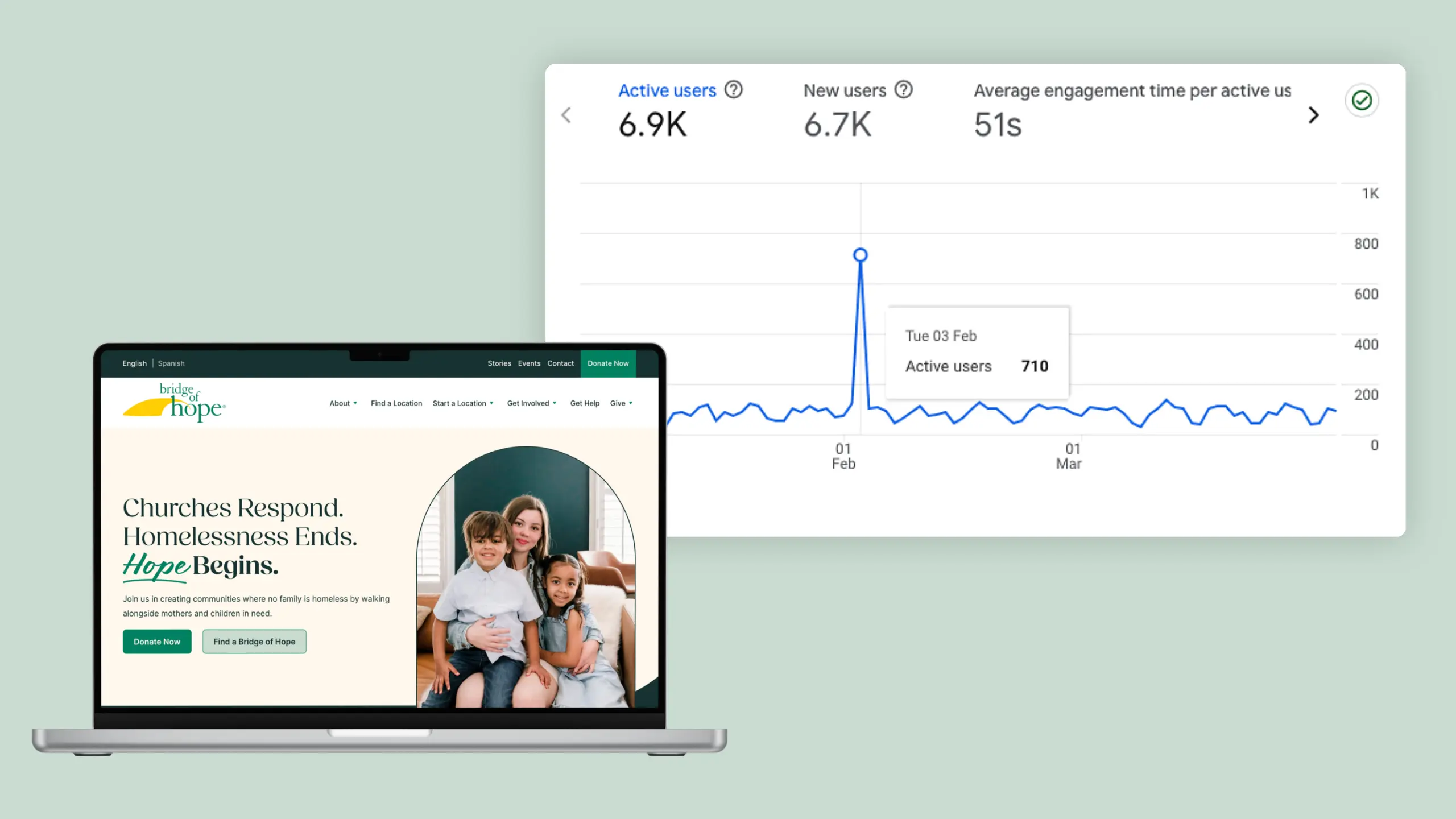
Measuring redesign ROI requires discipline, but it makes the investment much easier to justify.
Establish Pre-Redesign Baselines
Capture 3–6 months of data before launch:
- Traffic and conversions (Google Analytics 4)
- SEO health (Google Search Console)
- Lead quality and direct traffic (CRM)
- User behavior (heatmapping tools like Hotjar)
Measurement Timeline
| Period | What to Track |
| 0–30 days | Stabilization; monitor for crawl errors, user feedback |
| 30–90 days | Early conversion trends, engagement signals |
| 3–12 months | Reliable ROI picture, especially for longer B2B sales cycles |
A standard formula for calculating ROI is (Net Gain from Redesign / Total Cost) × 100. Monitoring key performance indicators such as organic traffic, conversion rates, and customer acquisition costs before and after is essential for accurately measuring the website’s performance.
Create three ROI scenarios—conservative, expected, and optimistic—to present to leadership using realistic assumptions.
Key Metrics That Actually Matter (and Vanity Metrics to Ignore)
Primary metrics for ROI:
- Conversion rate by source
- Qualified leads per month
- Monthly incremental revenue
- Revenue per visitor
- Cost per lead
- Organic traffic growth
Vanity metrics to avoid (unless tied to conversions): page views, time on site, social likes.
Map website actions to stages in your sales or donor funnel so each improvement connects to a clear business outcome.
Accounting for Intangible and Long-Term Benefits
Improved brand perception and positive user experience contribute to long-term ROI even when they don’t immediately appear in revenue reports.
Examples of qualitative returns:
- Shorter sales cycles: A professional, updated website increases trust, leading to faster closes
- Higher close rates: Leads who engaged deeply with the new website convert better
- Talent attraction: An updated careers section improves recruiting
- Existing customers: Better user engagement increases customer retention and referrals
Enhancing user experience through design changes—improved navigation and optimized landing pages—leads to higher conversion rates and increased customer engagement across your entire customer journey.
Track qualitative signals through NPS surveys, sales team feedback, and user feedback alongside quantitative KPIs to build a fuller ROI narrative for executives.
Is a Website Redesign Worth It for Your Organization?
Leaders often hesitate: “We redesigned three years ago” or “Can’t we just tweak the homepage?” The answer depends on measurable business impact, not timeline alone.
Signs a Redesign Is Worth the Investment
- Stagnant or declining conversion rates
- Poor mobile UX or high mobile bounce rates
- Difficulty publishing content without developer help
- Inconsistent branding or weak brand identity
- Security vulnerabilities or Core Web Vitals failures
- The site no longer supports your strategic objectives
A well-designed website can serve as a long-term investment, providing value through increased leads and revenue over time. Investing in a high quality site can yield benefits for five years or more, particularly when ongoing optimizations maintain effectiveness.
Avoid the Underinvestment Trap
A few hundred dollars on ultra-cheap templates with no strategic thinking often leads to poor results, higher total costs, and the need for another redesign sooner. A strategic website redesign not only enhances user experience but aligns with business goals, contributing to long-term growth and sustainability.
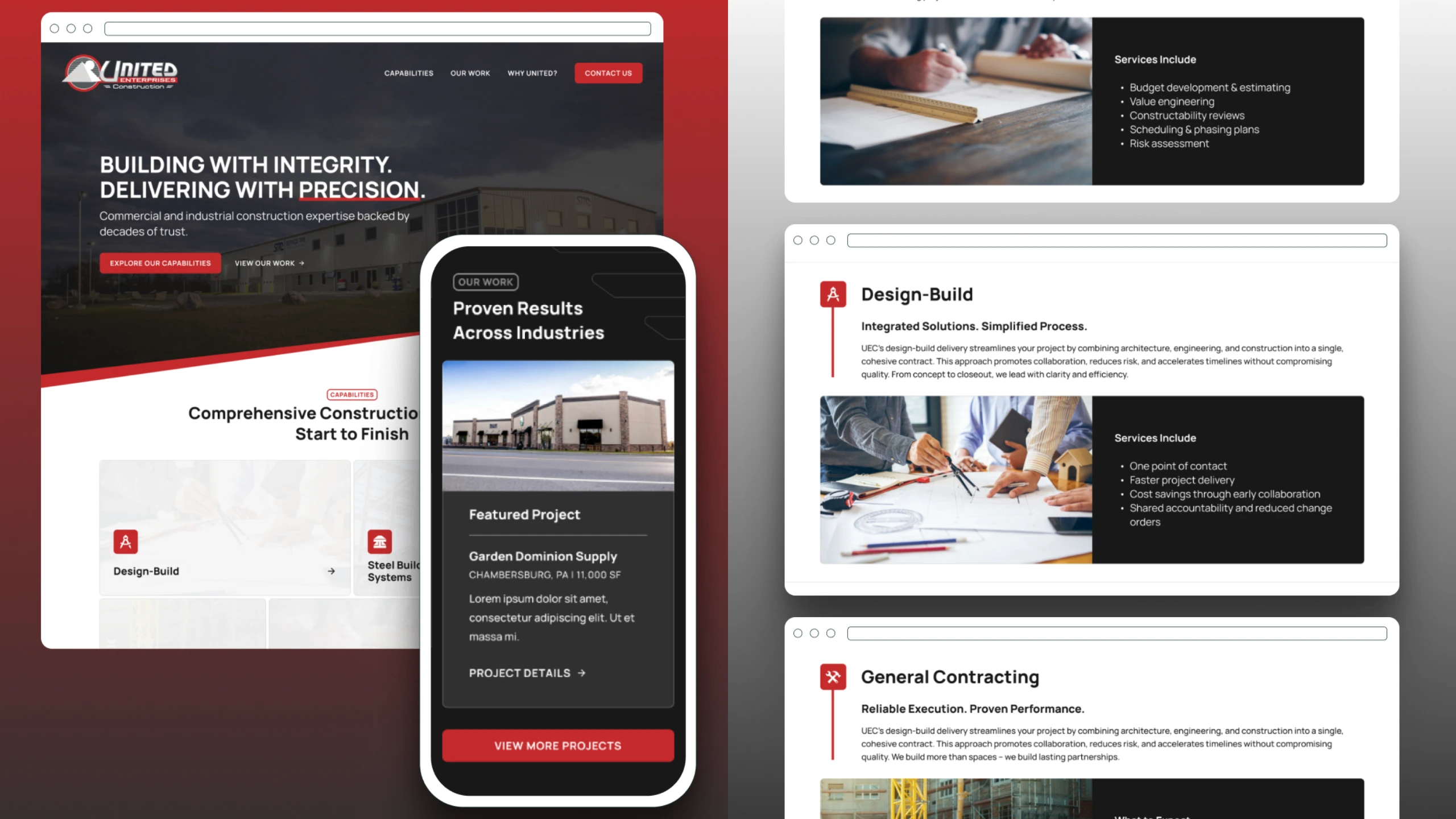
At Cross & Crown, our approach includes strategy-first discovery, measurable success metrics, and integration of web design with digital marketing—so the new website functions as a marketing tool that continues to drive business growth for years.
Ready to evaluate your current site’s performance? Talk with Cross & Crown about building a data-driven redesign plan that delivers measurable returns.

Cross & Crown
Based in Chambersburg, PA, we build & refine brands that inspire trust, drive engagement, lead with purpose, and ensure a thriving future.
Last Update: June 18, 2026
Read More
October 26, 2026
How Much Should a Nonprofit Website Cost in 2026?
Five agencies can give you five very different website quotes. Learn what goes into nonprofit website cost in 2026, from strategy and design to development, content, and ongoing support.
Read Post
September 22, 2026
White Space Is One of the Most Powerful Design Tools
White space is more than empty space on a page. Learn how intentional spacing in web design improves readability, guides attention, and creates a better user experience.
Read Post
September 15, 2026
The Complete Guide to WCAG 2.2 for Website Owners
WCAG, the ADA, and other accessibility requirements often get discussed together, but they serve different purposes. Here's what website owners should know about accessibility standards, legal requirements, and creating a more usable website.
Read Post