
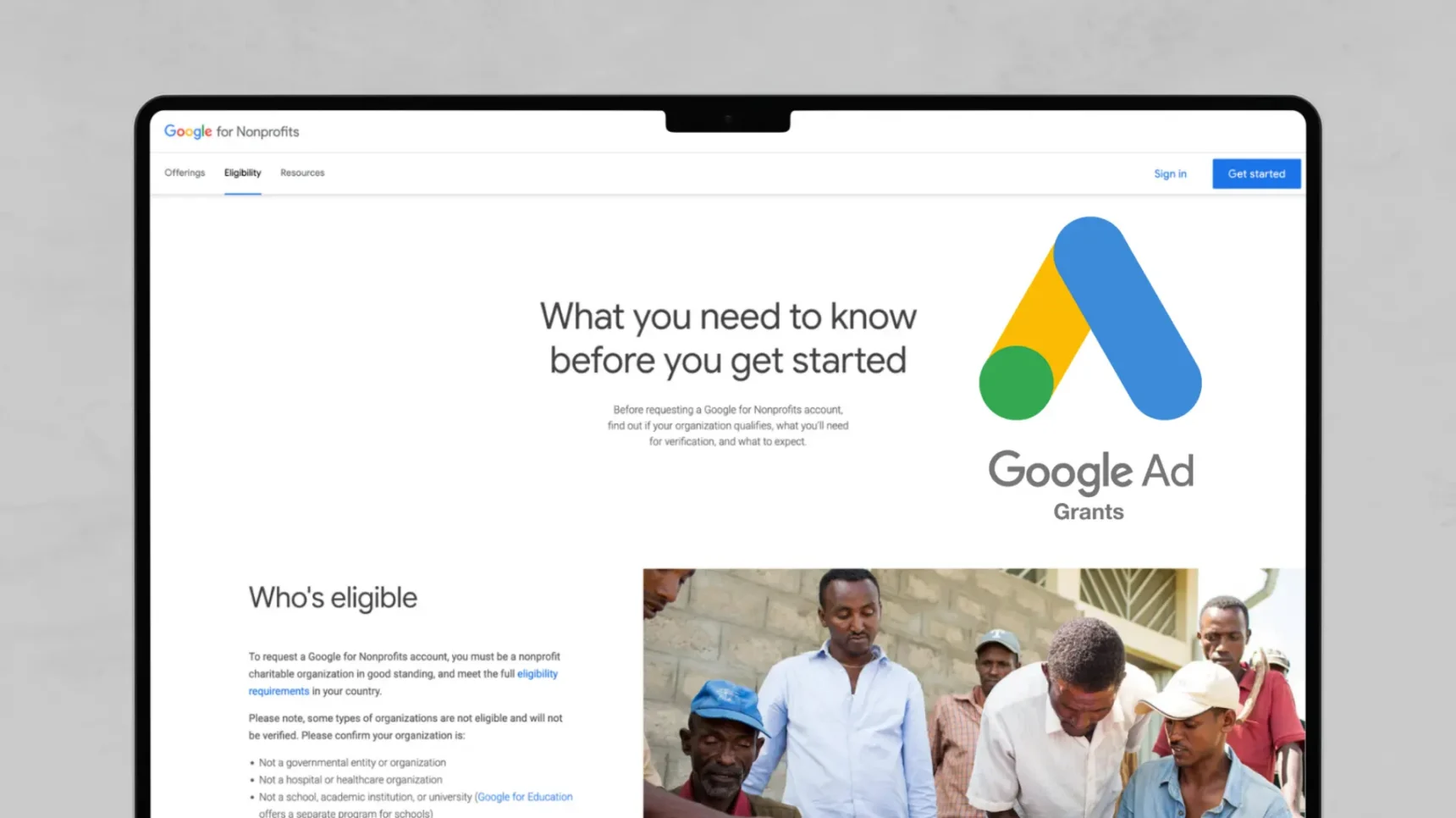
For many nonprofits, the Google Ad Grant sounds almost too good to pass up. Up to $10,000 per month in Google Search advertising can introduce your mission to new donors, volunteers, advocates, and people searching for the very services your organization provides. It’s one of the most generous marketing resources available to nonprofits and one that often goes underused.
Yet many organizations approach the grant with a single goal of getting approved. While approval is important, it’s also only the beginning.
One of the biggest misconceptions surrounding the Google Ad Grant is that eligibility naturally leads to impact. In reality, the organizations that generate meaningful results treat it as part of a larger marketing strategy, shaping everything from campaign performance to long-term sustainability.
Eligibility Opens the Door. Strategy Determines What Happens Next.
Google has established clear eligibility requirements for nonprofits seeking the Ad Grant. Organizations must qualify through Google for Nonprofits, maintain a compliant website, and continue following the program’s advertising policies after approval.
However, eligibility answers only one question: “Can your organization participate?”
It doesn’t answer another, far more important question: “Will your organization benefit from participating?”
We’ve seen nonprofits invest weeks into completing the application process only to discover months later that their ads receive very little traffic, their monthly budget goes largely unused, or they struggle to understand whether the program is making any measurable difference.
The issue usually is the expectation that approval alone creates momentum.
1. Your Website Matters More Than Most Organizations Realize
Many nonprofits think about the Google Ad Grant as an advertising program. Google thinks about it as a search experience.
Every advertisement points someone toward your website, and Google has a vested interest in making sure those users find helpful, trustworthy information once they click. That’s one reason website quality plays such an important role in both eligibility and ongoing success. Google requires participating nonprofits to maintain a high-quality website that complies with its website policies.
Beyond Google’s requirements, your website influences something equally important—whether visitors take the next step.
Imagine someone searching for food assistance, youth mentoring, adoption services, or conservation programs. They click your ad. Now what? Can they immediately understand your mission? Is it obvious what action to take next? Can they donate, volunteer, register, or request help without unnecessary friction?
If the answer is no, it’s time to update the experience waiting on the other side of the click. Organizations often focus on driving more traffic before ensuring their website is ready to receive it.
2. Visibility Doesn’t Always Lead to Engagement
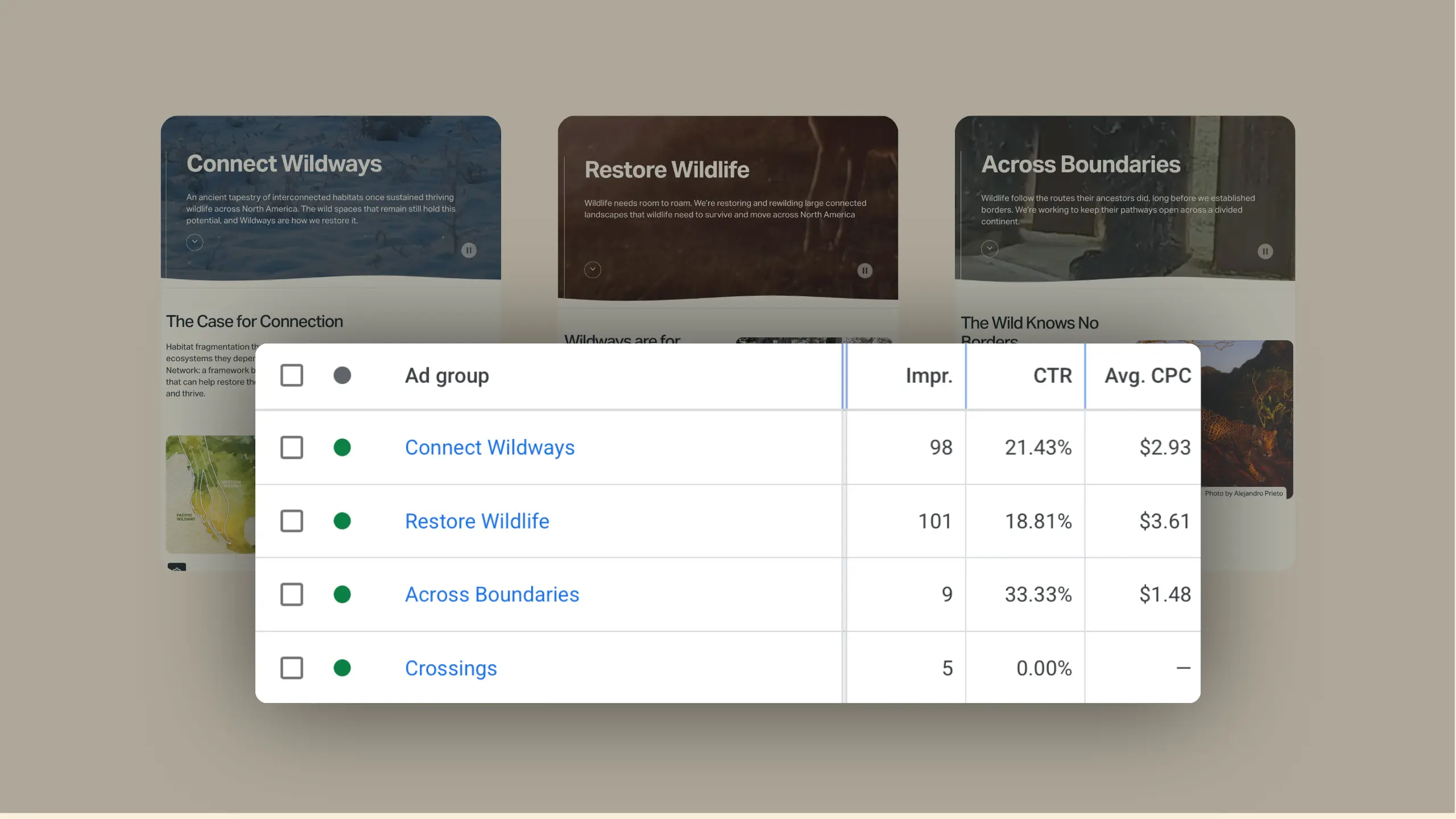
One of the most surprising realities of the Google Ad Grant is that many nonprofits never spend the full monthly allocation—mostly because successful search advertising depends on relevance.
Google rewards organizations that build tightly focused campaigns around their mission, write helpful ads, choose specific keywords, and direct visitors to pages that satisfy their search intent. Broad keywords, unrelated campaigns, and poor user experiences rarely perform well. Google also requires accounts to avoid overly generic and single-word keywords while maintaining strong account quality.
The organizations seeing consistent growth often are laser focused on reaching the right people.
That distinction makes every advertising dollar—or in this case, every grant dollar—work harder.
3. Compliance Is Ongoing, Not One-Time
Receiving the Google Ad Grant doesn’t mean the work is finished. Google expects participating nonprofits to continue managing their accounts responsibly. Accounts must remain compliant with program policies, including maintaining a minimum 5% click-through rate across the account, implementing meaningful conversion tracking where required, and maintaining appropriate campaign structure. Organizations that fall out of compliance may face temporary deactivation until issues are resolved.
Those requirements shouldn’t be viewed as obstacles. They’re reminders that healthy advertising accounts require regular attention.
Search behavior changes, programs evolve, seasonal campaigns begin and end, and new services emerge. Strong Google Ad Grant accounts evolve alongside the organization they represent.
4. Marketing Doesn’t Stop at Search
One of the biggest missed opportunities we see is treating the Google Ad Grant as a standalone initiative. Someone may discover your organization through Google. That doesn’t mean they’re ready to donate, volunteer, or enroll. People often visit multiple pages, read stories, explore your programs, compare organizations, subscribe to updates, and return later before making a decision.
Search advertising introduces people to your mission. Your website, content, branding, email marketing, and storytelling help build confidence. Each channel supports the others.
That’s why nonprofits tend to see stronger results when the Google Ad Grant becomes part of a coordinated marketing strategy rather than the strategy itself.
5. Measuring Success Beyond Clicks
It’s easy to celebrate website traffic. It’s harder—and much more valuable—to understand what happened after someone arrived.
Did they:
- Complete a donation?
- Register for an event?
- Download a resource?
- Request services?
- Volunteer?
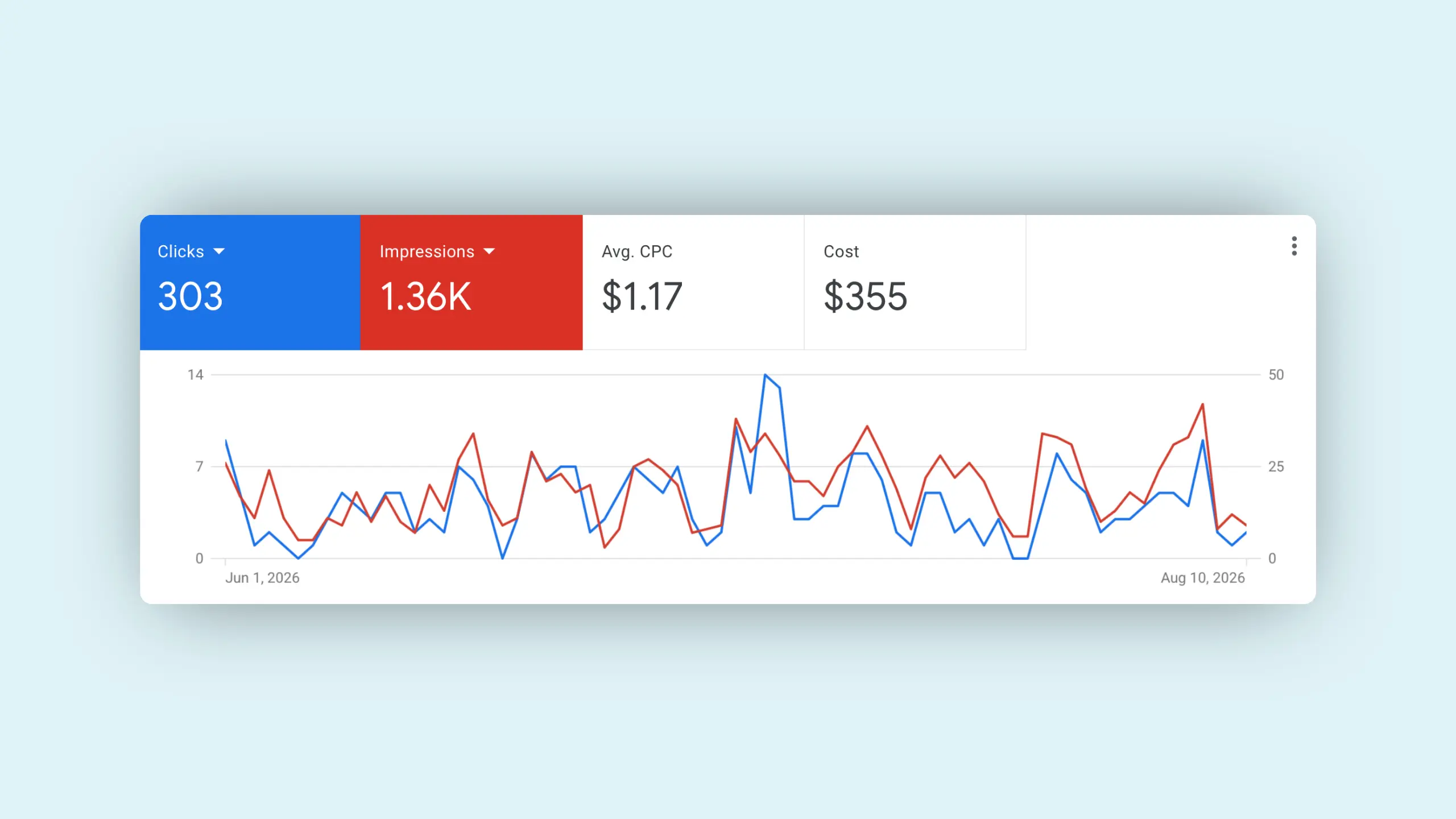
Meaningful conversion tracking helps nonprofits answer those questions while remaining compliant with Google Ad Grant expectations. Google increasingly emphasizes tracking meaningful actions rather than simple page views so organizations can understand the true impact of their campaigns.
Those insights shape future decisions, reveal which programs resonate most strongly, identify opportunities to improve landing pages, and help nonprofit leaders steward limited marketing resources wisely.
6. Free Advertising Still Requires Investment
One of the biggest misconceptions about the Google Ad Grant is hidden in the word free.
While the advertising budget comes at no cost to eligible nonprofits, effective campaigns still require an investment of time, strategy, and ongoing refinement. Someone has to understand what audiences are searching for, monitor campaign performance, improve landing pages, and measure whether the grant is supporting organizational goals.
That investment often determines whether the grant becomes a meaningful source of growth or simply another underused marketing tool.
Making the Most of the Opportunity
The Google Ad Grant has helped thousands of nonprofits expand their reach, grow awareness, recruit volunteers, and connect with people searching for help. Those outcomes grow from thoughtful strategy, consistent management, and a clear understanding of how every part of your digital presence works together.
At Cross & Crown, we believe marketing should strengthen your mission rather than distract from it. We partner with nonprofits to build websites that convert, develop messaging that reflects their purpose, and manage digital marketing strategies that create measurable opportunities for growth. The Google Ad Grant is one piece of that larger picture, and when it’s supported by the right strategy, it can become one of your organization’s most valuable outreach tools.
If your nonprofit is exploring the Google Ad Grant—or wondering why your current account isn’t delivering the results you expected—we’d be glad to help you evaluate your strategy and identify opportunities for greater impact. Let’s talk.

Cross & Crown
Based in Chambersburg, PA, we build & refine brands that inspire trust, drive engagement, lead with purpose, and ensure a thriving future.
Last Update: August 30, 2026
Read More

October 19, 2026
A/B Testing in B2B: The Marketing Experiment You’re Probably Not Running
A/B testing gives B2B marketers a practical way to learn what resonates with their audience. Explore how split testing can improve websites, campaigns, emails, and paid advertising while helping teams make smarter marketing decisions.
Read Post
October 12, 2026
The State of Marketing in the Age of AI
AI is changing how marketers work, from content creation and automation to personalization and campaign strategy. Here’s what we’re seeing, what we think is worth paying attention to, and why human strategy and creativity will continue to matter.
Read Post
October 5, 2026
How to Market a Church Without Compromising Your Mission
Church marketing can feel at odds with a church’s mission, but thoughtful communication can help more people find and connect with the ministry already happening in their community. Here’s how to market a church with clarity, authenticity, and a focus on serving people well.
Read Post