

If you’ve ever paused before publishing a post to wonder what is a hashtag really doing for you anymore, you’re not alone. Hashtags haven’t disappeared, but they also aren’t working the way many brands still expect them to. The old mindset of adding as many as possible and hoping for reach is outdated. In 2026, hashtags play a quieter role. They support discovery and categorization, but they no longer drive growth on their own.
At a high level, hashtags now act as contextual signals. They help platforms understand what your content is about so it can be shown to the right audience, alongside stronger inputs like captions, engagement, and watch behavior.
What Is a Hashtag, Exactly?
A hashtag is a clickable keyword or phrase preceded by the “#” symbol that helps social platforms categorize content and understand its context. When used intentionally, hashtags signal topic relevance to both algorithms and users.
What’s important to understand is how hashtags function today. They don’t guarantee reach, and they don’t replace strong content fundamentals. Instead, they reinforce clarity. Think of them as supporting signals that help platforms confirm what your post is about, not the primary driver pushing it into feeds.
Hashtags work best alongside clear captions, quality creative, and real engagement. Without those elements, even the most well-researched hashtag won’t move the needle.

How Social Platforms Use Hashtags Today
Modern social algorithms rely far less on hashtags alone than they did even a few years ago. Platforms now prioritize a combination of signals, including caption text, audio, engagement patterns, and watch time. Hashtags still matter, but mainly as a way to reinforce topic understanding.
When too many hashtags are added, clarity suffers. Overuse can muddy the message and make it harder for platforms to confidently categorize your content. For B2B brands especially, hashtags should play a supporting role. They help frame the content, but they’re not the main character.
Platform-by-Platform Hashtag Best Practices (2026)
How do hashtags work? It’s all about the individual platform you’re on. Here’s a breakdown.
Instagram rewards clarity and engagement far more than volume.
Best practices:
- Use up to three relevant hashtags
- Focus on niche, industry-specific terms
- Place hashtags directly in the caption
What matters more than hashtags on Instagram are strong hooks, saves, shares, and consistent posting. Hashtags help reinforce context, but they won’t carry weak content.
LinkedIn uses hashtags primarily for topic classification.
Best practices:
- Use two to three hashtags
- Combine one broader topic with one or two niche terms
- Place hashtags at the end of the post
For B2B brands, hashtags help align content with conversations already happening on the platform, but reach is driven by relevance and engagement, not hashtag volume.
TikTok
TikTok’s algorithm is heavily behavior-based.
Best practices:
- Use two to four hashtags
- Mix content topics and audience intent
- Avoid trend-chasing unless it aligns with your brand
TikTok prioritizes watch behavior, completion rate, and clarity over hashtag count. Hashtags help confirm what the video is about, but the content itself does the heavy lifting.
X (formerly Twitter)
Readability matters more than ever.
Best practices:
- Use one to two hashtags max
- Keep them intentional and relevant
Too many hashtags reduce engagement and disrupt flow, especially in short-form text.
YouTube
Hashtags play a minimal but still useful role.
Best practices:
- Use one to three hashtags
- Add them to the description, not the title
Titles, thumbnails, and watch time have far more impact on reach than hashtags.
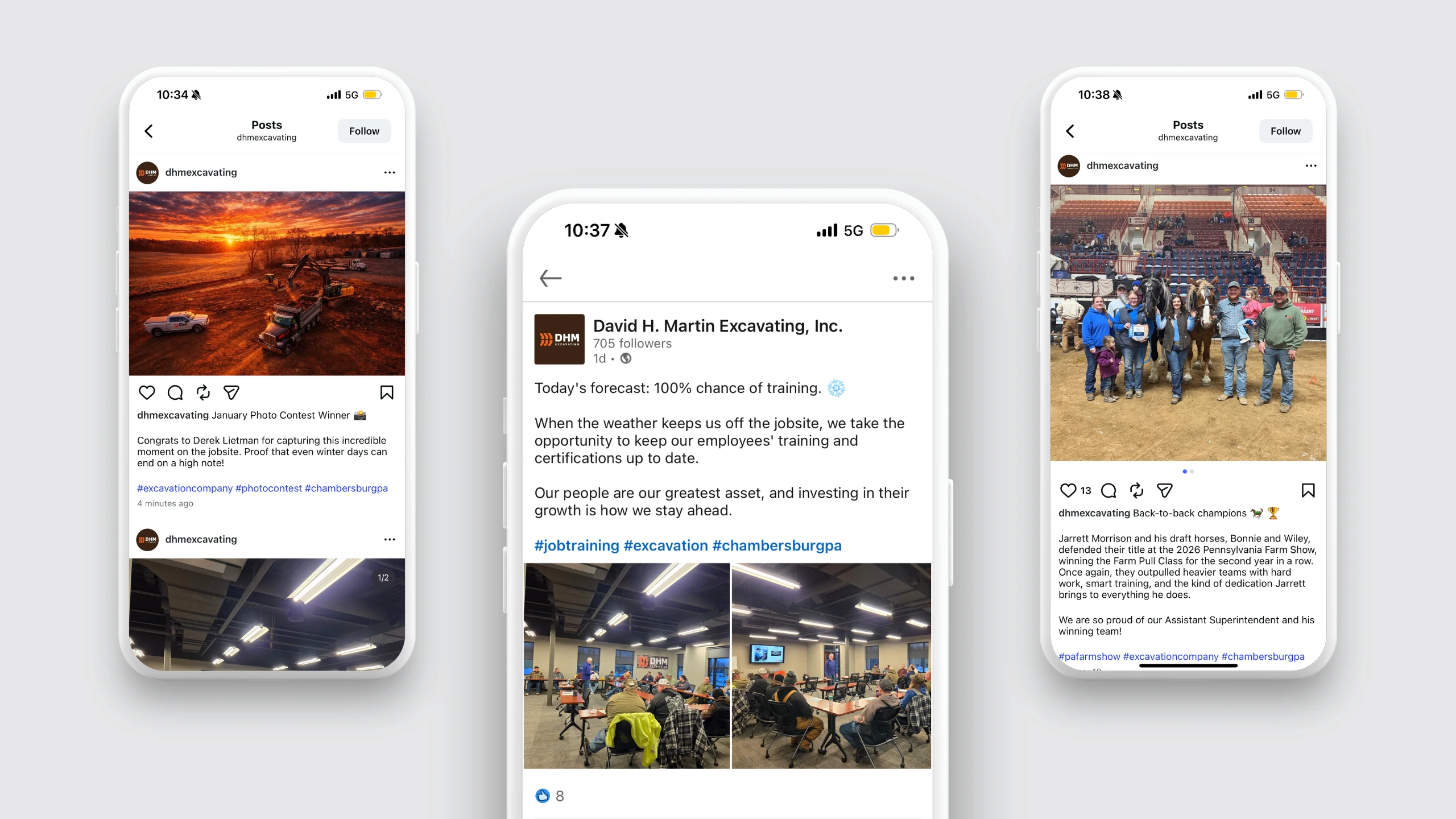
When Hashtags Still Matter (and When They Don’t)
Hashtags are most useful when your content is niche, industry-specific, or tied to a campaign or event. They also help reinforce topic clarity when captions are concise or technical.
They matter less when your caption already clearly communicates the topic, when content relies on trends or visuals, or when engagement and watch time are strong. In those cases, hashtags become secondary.
Common Hashtag Mistakes Brands Still Make
Even in 2026, many brands fall into the same traps:
- Using too many hashtags
- Copy-pasting the same set on every post
- Using irrelevant trending hashtags
- Expecting hashtags to compensate for weak content
Hashtags don’t fix unclear messaging or inconsistent strategy. They’re one tool within a much larger system.
Should You Still Use Hashtags in 2026?
Yes, but with intention. Hashtags support clarity and discovery, not growth on their own. The brands seeing the best results treat hashtags as part of a cohesive digital strategy, not a shortcut.
If you’re ready to move beyond outdated tactics and build a smarter, more effective social presence, Cross & Crown can help you put strategy behind every post.

Cross & Crown
Based in Chambersburg, PA, we build & refine brands that inspire trust, drive engagement, lead with purpose, and ensure a thriving future.
Last Update: February 10, 2026
Read More

October 5, 2026
How to Market a Church Without Compromising Your Mission
Church marketing can feel at odds with a church’s mission, but thoughtful communication can help more people find and connect with the ministry already happening in their community. Here’s how to market a church with clarity, authenticity, and a focus on serving people well.
Read Post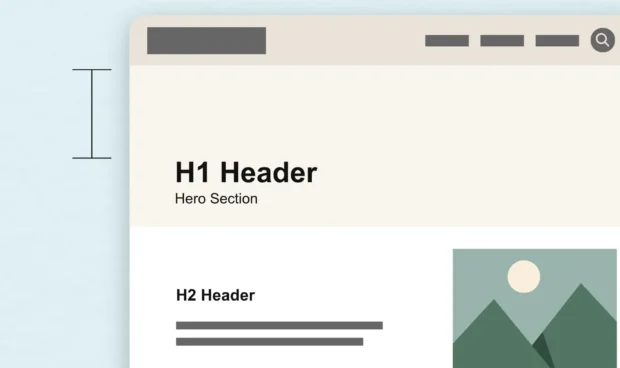
September 22, 2026
White Space Is One of the Most Powerful Design Tools
White space is more than empty space on a page. Learn how intentional spacing in web design improves readability, guides attention, and creates a better user experience.
Read Post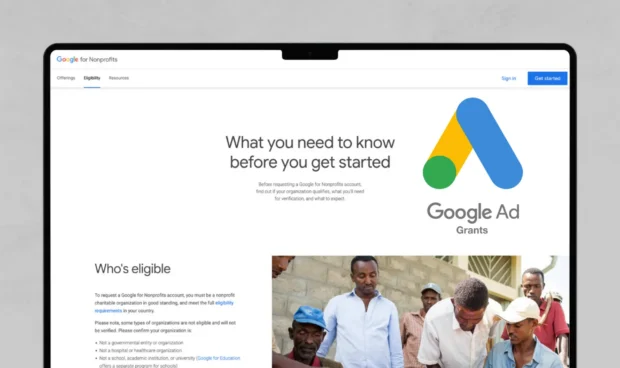
September 8, 2026
Google Ad Grant Eligibility: What Nonprofits Get Wrong
Many nonprofits focus on qualifying for the Google Ad Grant but overlook what comes next. This article explores the misconceptions that limit success, why strategy matters as much as eligibility, and how organizations can turn free advertising into meaningful engagement with donors, volunteers, and the communities they serve.
Read Post