
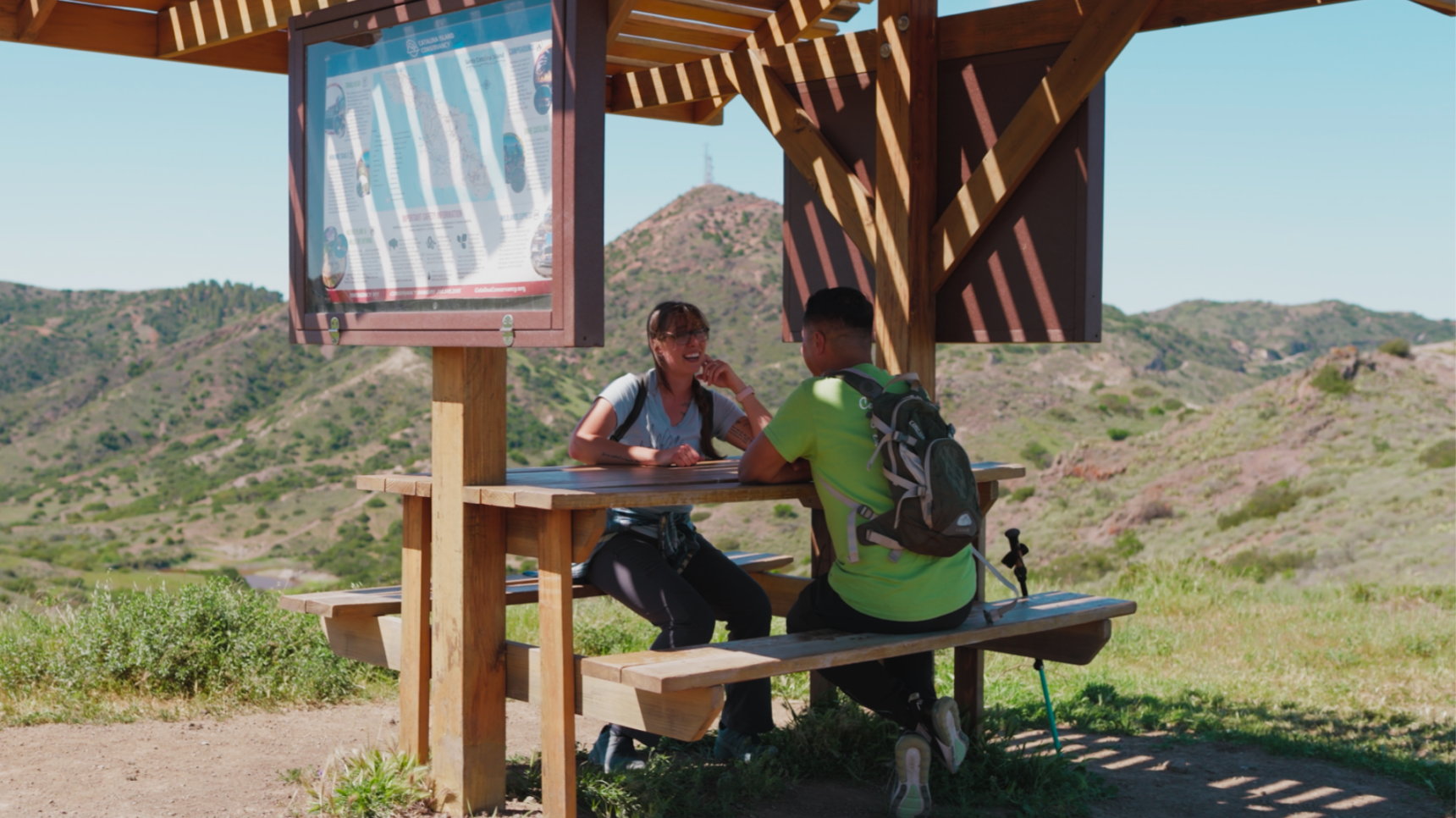
Conservation organizations face a unique communication challenge: the work they do is complex, deeply local, and often long-term—but the way it’s communicated online needs to be immediate, clear, and compelling. Whether it’s watershed restoration, land protection, or habitat connectivity, the impact is real, but not always easy for the public to understand at a glance.
Most supporters encounter these organizations online long before they ever step into the field. That makes storytelling and educational content essential—not just for awareness, but for building trust and helping people understand why the work matters. When environmental organizations use thoughtful digital strategy across their website, email, and social channels, they turn information into understanding and passive interest into meaningful engagement.
The Foundations of Trustworthy Conservation Stories
Trust in conservation builds slowly, mirroring the pace of ecosystem recovery. Wetlands might take 5-10 years for full avian return. Your stories must reflect both patience and progress, avoiding hype that erodes credibility.
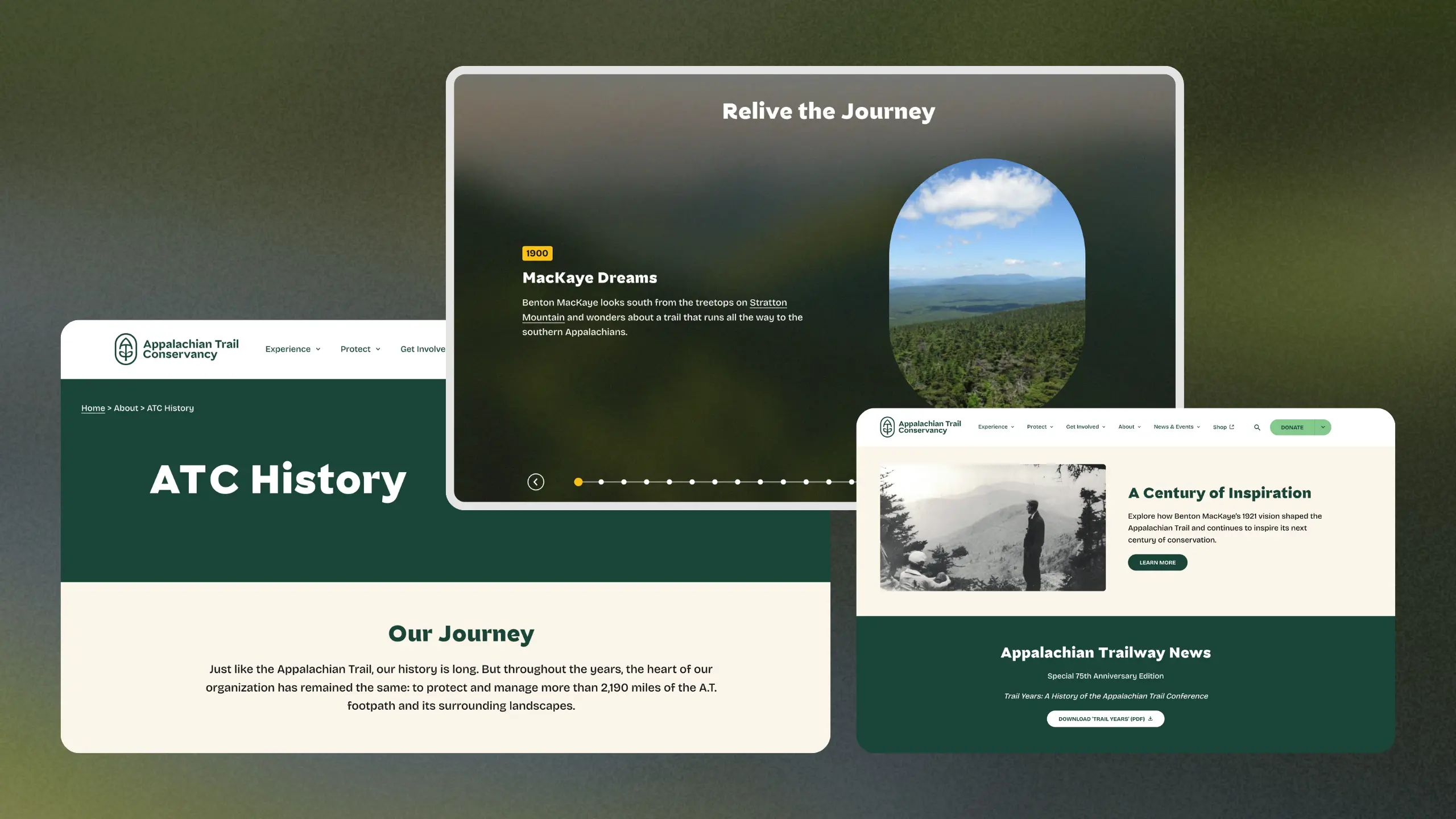
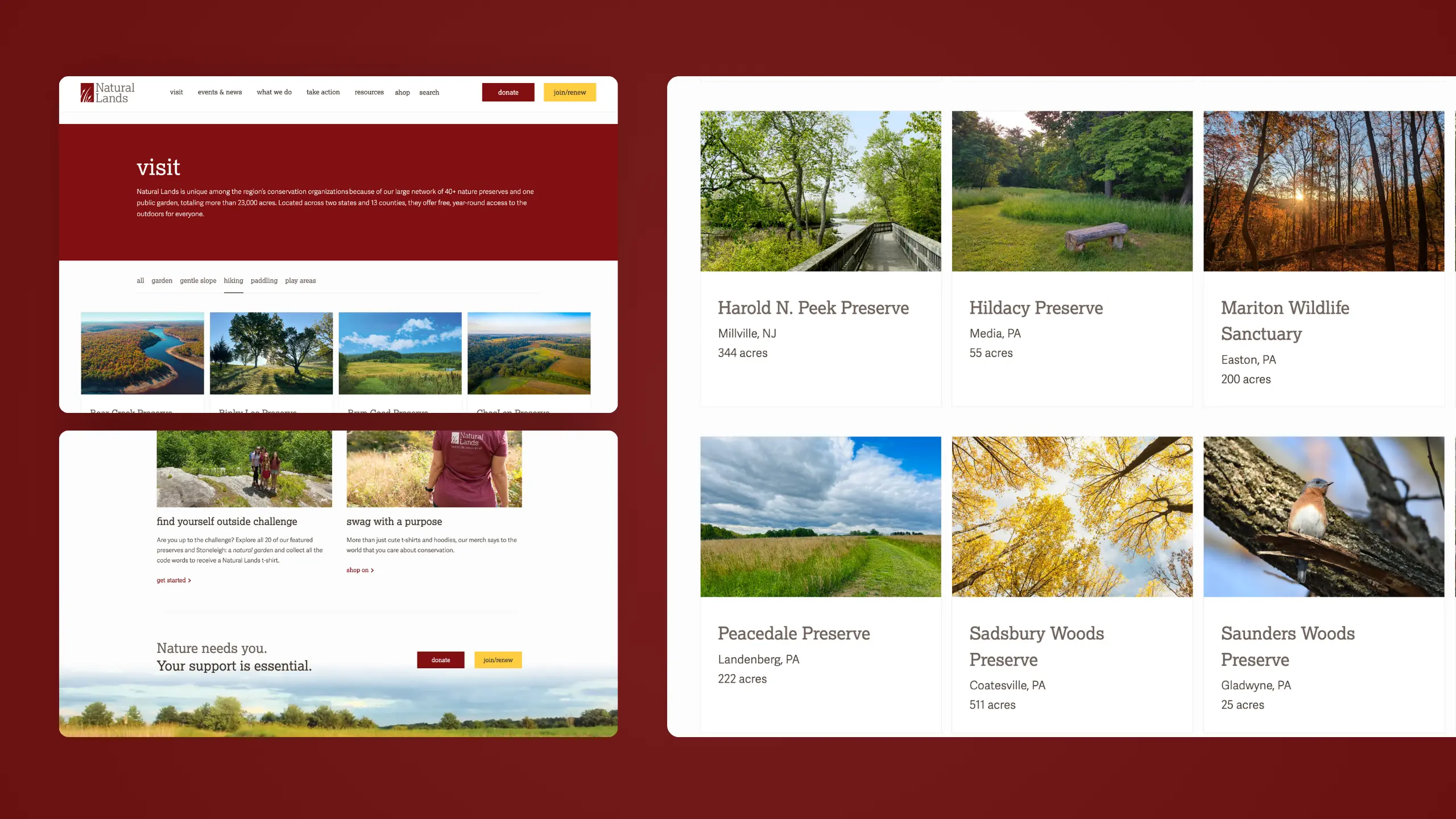
Authenticity in conservation storytelling comes from grounding narratives in real places, real work, and real people. For example, organizations like Appalachian Trail Conservancy and Natural Lands don’t rely on abstract messaging—they connect audiences directly to specific landscapes, trail systems, and wildlife corridors, then use digital platforms to translate that work into clear opportunities for engagement.
Key ingredients of trustworthy conservation storytelling:
- Accurate science backed by peer-reviewed data or reputable monitoring programs
- Local voices—community members, tribal partners, long-time residents
- Clear acknowledgment of partners and collaborators
- Honest discussion of challenges and setbacks
- Consistent branding across all communications
At Cross & Crown, we’ve seen how this shift from “information sharing” to “experience design” changes outcomes. When conservation organizations structure their websites and content around place-based storytelling—pairing project updates, educational resources, and clear calls to action—they create more intuitive pathways for supporters to understand impact and get involved.
Designing a Conservation Story Arc That Inspires Action
Successful conservation stories often follow a specific structure: introducing a character, presenting barriers they face, offering a solution, and ending with a call to action. This mirrors classic narrative structure but adapts to ecological realities and longer timelines.
A repeatable story framework for environmental teams:
- Place and history: What does this river, trail, or forest mean to the community? Connect to cultural memory.
- Problem: Specific threats with dates and data. “In 2024, invasive phragmites covered 40% of our wetland buffer.”
- People: Who is responding? Staff, youth crews, tribal partners, local businesses whose livelihoods depend on healthy ecosystems.
- Progress: What has changed? Use concrete metrics. “We’ve removed invasives from 100 acres, reducing coverage by 65%.”
- Path forward: Clear, achievable next steps. “Join our June 15 workday” or “Become a monthly watershed guardian.”
Creating relatable characters in conservation narratives can represent species and elicit global empathy. Your story might feature a returning heron population or a volunteer whose childhood creek is finally fishable again.
Each major program—trail maintenance, invasive removal, climate resilience—should get its own story arc. Time-bound milestones like “By 2030, we aim to restore 500 acres of wetlands” make abstract goals concrete and story-friendly.
Integrating Storytelling into Your Conservation Content Marketing Strategy
Stories without distribution strategy are like trails without trailheads—beautiful, but inaccessible. Content marketing is a strategy that focuses on the creation and distribution of useful content to inspire interest in a nonprofit’s mission and programs.
The first step in creating a content marketing strategy is to define its purpose and goals, which should prioritize measurable metrics such as website traffic and new leads. For conservation organizations, this might look like:
- Increase volunteer trail days by 25% in 2026
- Grow email list by 1,000 local supporters
- Secure three new municipal partners through demonstrated impact
Consider themes like:
- Watershed health (water quality monitoring, citizen science)
- Trail accessibility (ADA improvements, family-friendly routes)
- Climate resilience (native plantings, fire adaptation)
- Youth stewardship (school partnerships, summer programs)
- Community science (iNaturalist data, bird counts)
Primary channels for conservation content marketing:
| Channel | Content Type | Goal |
| Website | Cornerstone stories, project pages, impact dashboards | Deep engagement, SEO |
| Supporter journeys, field updates, seasonal appeals | Nurture relationships | |
| Social Media | Short snippets, Reels, volunteer spotlights | Discovery, shares |
| Long-form | Digital reports, story-driven maps, mini-documentaries | Credibility, press |
Align content with real environmental moments—Earth Day, National Trails Day, local river cleanups—to increase relevance.
Digital Experiences That Bring Conservation Stories to Life
Modern supporters expect immersive digital experiences that show real places and real progress.
Website features that elevate conservation stories include:
- Interactive maps showing restored areas, trail segments, and project timelines
- Story-rich project landing pages with photos, video, and impact stats
- “Follow the project” signup modules for email updates tied to specific places
- Simple data visualizations making progress tangible (acres protected, species returning)
Short-form video—30-90 second clips from field staff—humanizes complex issues and repurposes across social media and email.
Building Nonprofit Community Engagement Through Place-Based Stories
Conservation stories are strongest when grounded in specific places that local supporters recognize and care about. Highlighting small wins or local wildlife connects people with their immediate environment in conservation storytelling.
Community engagement is vital for nonprofits as it builds trust, drives volunteerism, and amplifies the organization’s mission, leading to sustained community support and impactful outcomes.
How place-based storytelling strengthens nonprofit community engagement:
- Invite neighbors to share memories of a specific park, river, or trail
- Highlight local volunteers and community science projects
- Showcase collaborations with schools, trail clubs, or watershed associations
Effective conservation narratives can highlight community-led solutions and foster a direct, personal connection with wildlife protection.
Measuring the Impact of Your Conservation Storytelling
Conservation organizations need to measure both storytelling reach (who saw it) and behavioral impact (who did something because of it). Without measurement, you can’t demonstrate value or refine your approach.
Key metrics to track across channels:
- Website: Time on page, scroll depth, clicks on “take action” buttons for specific stories
- Email: Open rates and click-through rates for story-led campaigns vs. generic appeals
- Social: Shares, comments with personal reflections, saves for educational posts
- Offline: Mentions of specific stories in donor conversations, volunteer sign-up sources
Cross & Crown helps organizations set up analytics dashboards and reporting rhythms so staff can refine their strategy based on real-world performance.
How Cross & Crown Supports Conservation Storytelling
Land conservation organizations need a blend of visibility and digital experiences that help people understand the mission, connect with the work, and take meaningful action.
At Cross & Crown, we partner with mission-driven organizations to support that effort through thoughtful storytelling, content strategy, and digital marketing that strengthens engagement across a variety of platforms.
If your organization is looking to create a stronger digital presence that supports education, advocacy, fundraising, or community engagement, we’d love to start a conversation.

Cross & Crown
Based in Chambersburg, PA, we build & refine brands that inspire trust, drive engagement, lead with purpose, and ensure a thriving future.
Last Update: June 18, 2026
Read More

October 19, 2026
A/B Testing in B2B: The Marketing Experiment You’re Probably Not Running
A/B testing gives B2B marketers a practical way to learn what resonates with their audience. Explore how split testing can improve websites, campaigns, emails, and paid advertising while helping teams make smarter marketing decisions.
Read Post
October 12, 2026
The State of Marketing in the Age of AI
AI is changing how marketers work, from content creation and automation to personalization and campaign strategy. Here’s what we’re seeing, what we think is worth paying attention to, and why human strategy and creativity will continue to matter.
Read Post
October 5, 2026
How to Market a Church Without Compromising Your Mission
Church marketing can feel at odds with a church’s mission, but thoughtful communication can help more people find and connect with the ministry already happening in their community. Here’s how to market a church with clarity, authenticity, and a focus on serving people well.
Read Post