

For years, search engine optimization and social media marketing lived in separate silos. SEO teams focused on keywords, backlinks, and technical fixes while social media managers chased engagement metrics and follower counts. By 2026, that division no longer makes sense.
Today, these two strategies form one interconnected growth system. SEO involves optimizing your website for search engines like Google, Bing, and YouTube using relevant keywords, quality content, and technical best practices. Social media marketing builds relationships and reach on platforms like Facebook, Instagram, TikTok, LinkedIn, and X. The real power emerges from their synergy: social media accelerates content discovery and brand trust, while SEO turns that interest into sustainable organic traffic and leads.
With over five billion people currently using social media, the opportunity to increase brand visibility and engagement is enormous. After Google’s 2024 documentation updates emphasized user signals and EEAT (Experience, Expertise, Authoritativeness, Trustworthiness), the connection between public engagement and search rankings has never been clearer—even if social signals themselves aren’t direct ranking factors.
How Social Media Supports SEO (Even If It’s Not a Direct Ranking Factor)
Google has consistently stated that likes, shares, and follower counts do not directly influence organic rankings. However, social activity influences the metrics search engines do care about.
Here’s how your social media efforts support search engine rankings indirectly:
- Branded search increases: When a TikTok video or Facebook post goes viral, people search your brand name on Google.
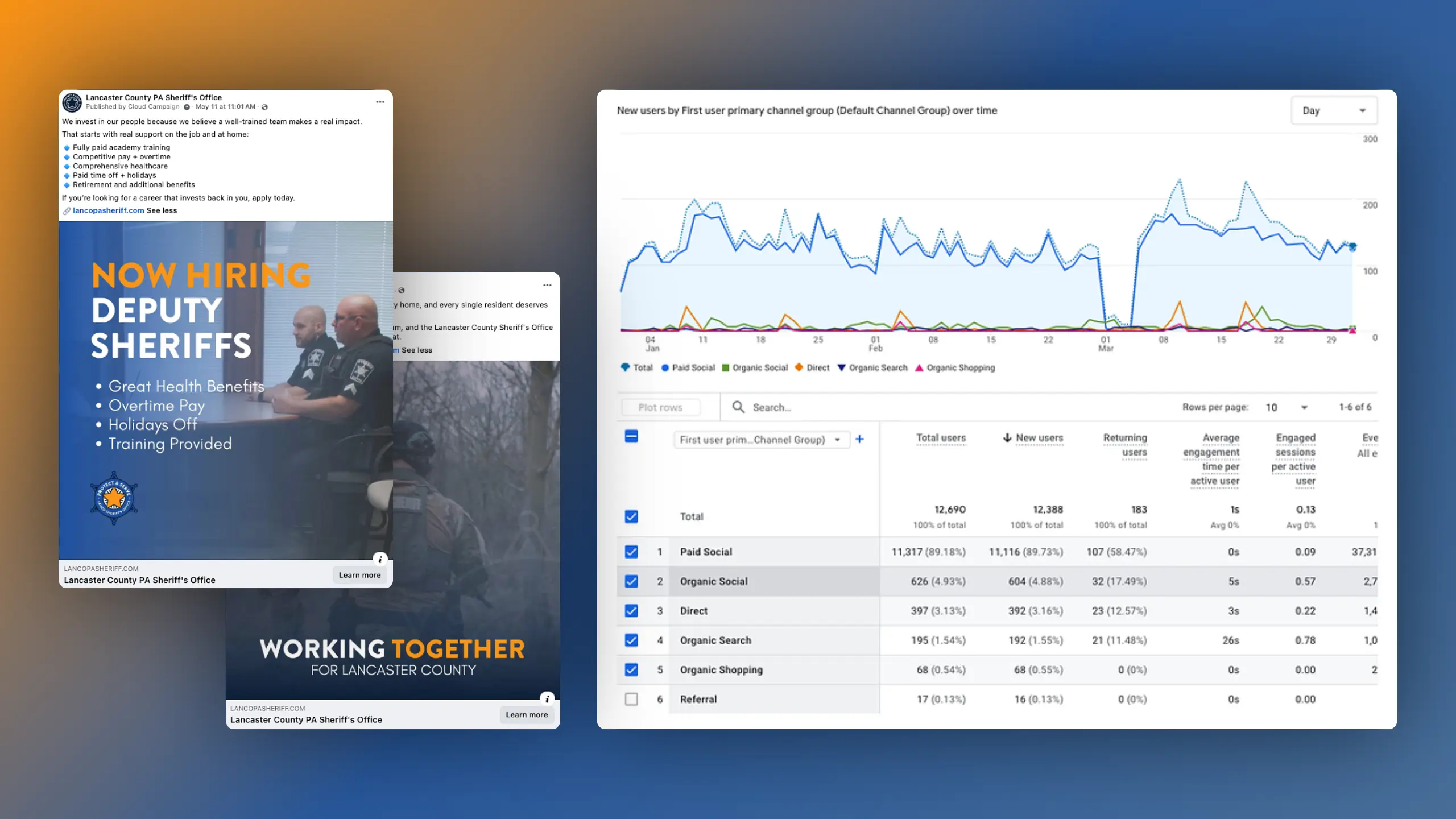
- Referral traffic boosts engagement: Social media platforms serve as direct pathways to websites. HubSpot’s 2025 data shows social shares correlate with a 20-30% increase in referral traffic, improving time-on-site and lowering bounce rates.
- Backlink opportunities multiply: Content that gains social traction gets seen by bloggers, journalists, and industry sites who may link to it organically.
- Click-through rates improve: More brand familiarity from social exposure leads to higher CTR when your site appears in search results.
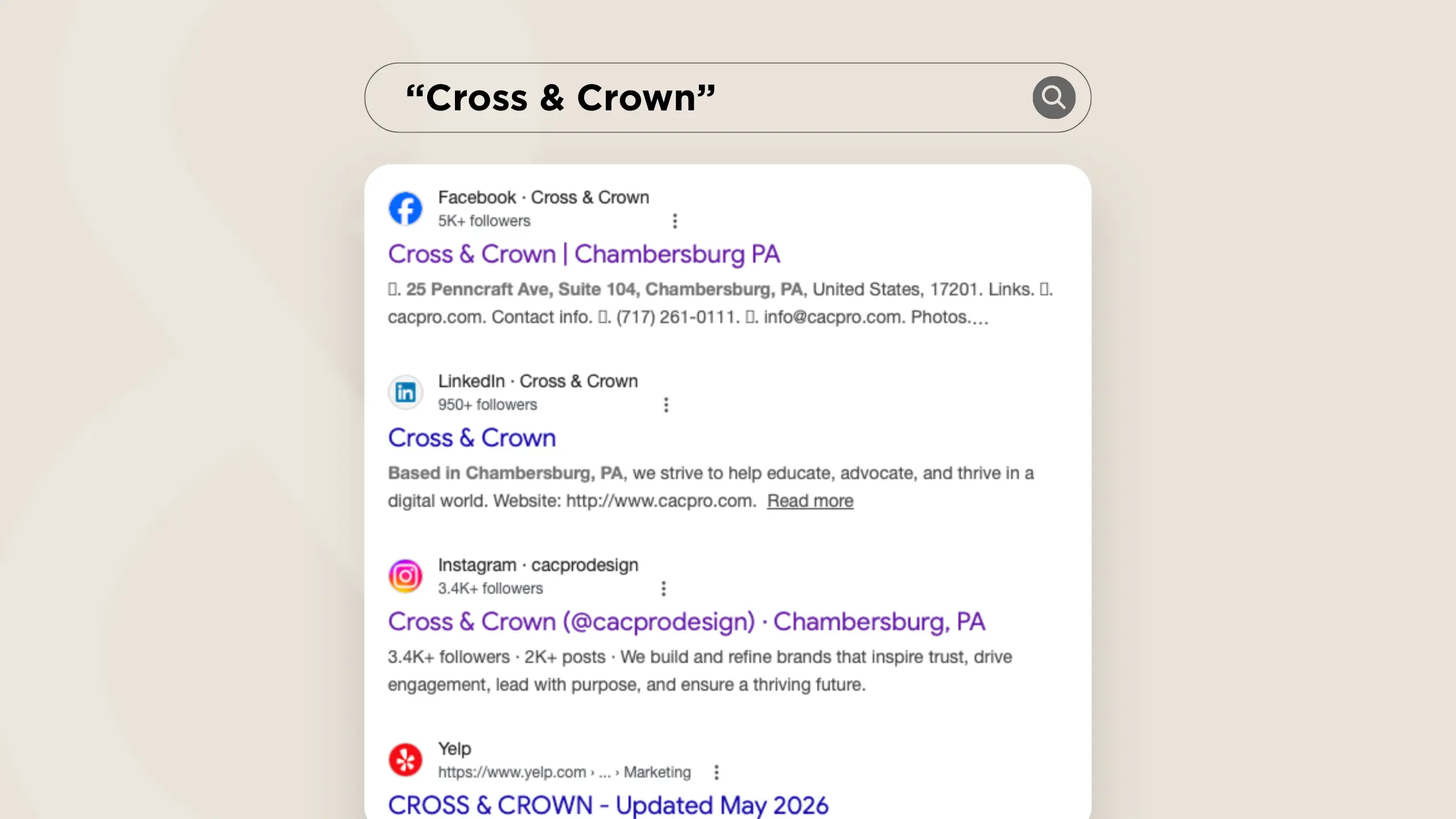
Social media profiles themselves often rank in search results. Search your brand name and you’ll likely see your Facebook page, LinkedIn profile, and YouTube channel alongside your website, capturing more online real estate and touchpoints.
EEAT, Brand Trust, and the “Snowball Effect” of Social Presence
Google’s EEAT framework—Experience, Expertise, Authoritativeness, and Trustworthiness—shapes how content gets evaluated, especially for AI-powered search experiences. Social media directly supports the trust and authority components.
Here’s how consistent social media content builds EEAT signals:
- Humanizes your brand: Case studies, behind-the-scenes videos, staff spotlights, and customer reviews make your brand feel real rather than anonymous.
- Creates verifiable expertise: When potential customers see your team sharing knowledge consistently, it signals genuine experience.
- Generates reviews and mentions: Active social media presence correlates with more Google reviews—BrightLocal’s 2026 survey found 87% of users read reviews before visiting a business.
A strong social presence leads to an increase in branded searches on Google, which is a positive ranking factor. For Cross & Crown clients, social proof from Facebook Reviews and Google Business Profile posts consistently correlates with stronger organic performance in both local and national search.
How Social Media Expands Content Reach and Link Opportunities
Publishing an SEO-optimized blog post without distribution is like launching a book without telling anyone. Social media gives that content an initial push so target audiences can discover, share, and link to it.
The benefits compound:
- Day-one traffic: Posting a new guide to LinkedIn and Facebook generates immediate referral traffic, improving engagement signals before search engines even crawl the page.
- Lower bounce rates: Social media can drive traffic to websites, which indirectly supports SEO by improving user engagement metrics such as time spent on site and bounce rates, signaling to search engines that the content is valuable.
High-quality content on social media can drive traffic to your website, which may lead to increased engagement and potential backlinks, indirectly supporting your SEO efforts.
Using Social Media as a Testing Ground for High-Quality Content
Before investing in a 2,000-word pillar page, test the concept on social media first.
- Post ideas as short LinkedIn updates, Instagram carousels, or TikTok explainers
- Topics with 2-3x average engagement (saves, shares, comments) become candidates for in-depth blog posts
- This “social first, SEO second” approach focuses production budget on topics your target audience already cares about
- Creating content that addresses the specific pain points of your buyer personas and using relevant keywords enhances brand awareness and engagement
Social media metrics like saves and shares help identify which content deserves the full SEO treatment—structured headings, internal links, and comprehensive depth.

Optimizing Social Profiles for Search Engines and Social Search
Your social media profiles function like mini landing pages that search engines index and users discover. Optimizing them follows similar principles to on-page SEO.
Key optimization tactics:
- Maintain consistent NAP: Name, address, and phone number should match across your website, Google Business Profile, Facebook page, and LinkedIn
- Complete every field: Optimizing social media profiles involves ensuring they are complete, professional, and aligned with your brand identity
- Include location and website links: A clear call to action in your social media bios significantly enhances discoverability
Platforms like TikTok and YouTube are increasingly used as social search engines. Using relevant keywords in captions and descriptions helps content get discovered both internally and through external search engines.
Additionally, custom URLs with your brand name, accurate business categories, and well-maintained reviews help Facebook pages rank for branded and local queries in Google search results.
Strategic Use of Social Media Links
Most social media links are marked “nofollow” or “ugc,” meaning they don’t pass traditional link equity. However, they still provide value:
- Social media links drive qualified referral traffic to your website
- They help search engines connect your website with your active social presence
- Use UTM parameters to track campaign-specific links in Google Analytics 4
- Cross-linking between author bios on your website and their LinkedIn profiles strengthens perceived author identity, supporting EEAT
Focus on the traffic and visibility benefits rather than chasing direct “SEO juice” from social links.
Aligning Keyword and Content Strategy Across SEO and Social Media
Using keyword research for social media posts and web content ensures consistent messaging and helps search engines understand context.
Here’s how to align strategies:
- SEO teams identify target keywords (e.g., “church branding,” “Lancaster PA web design”) and share them with social media managers for captions and hashtags
- Social media data—comments, DMs, poll results—reveals the exact language audiences use, refining website copy and FAQ sections
- Build shared content pillars (SEO strategy, social media marketing, brand storytelling) that guide both blog calendars and social media content schedules
- Social media platforms allow users to find content through hashtags and keyword searches, increasing brand exposure
Integrating SEO and social media strategies can significantly enhance brand visibility and authority, as social media helps amplify content reach and engagement.
From Social Media Metrics to Search-Focused Optimization
Which social media metrics matter most for informing SEO decisions?
- Saves and shares: Indicate content worth expanding into comprehensive resources
- Click-through rates on link posts: Show which topics drive qualified website traffic
- Detailed comments and questions: Reveal content gaps to address in blog posts
Set up monthly or quarterly reviews where SEO and social teams compare top-performing pages and posts, then adjust targeting accordingly.
Real-World Synergy: Backlinks, Mentions, and Collaborations Sparked by Social Media
Social media visibility creates opportunities for valuable backlinks:
- Co-hosting a LinkedIn webinar with a regional nonprofit network leads to recap blog posts and backlinks from partner websites
- Consistent presence in relevant communities (LinkedIn groups, niche X conversations) increases odds of journalists and bloggers referencing your content
- Building relationships with micro-influencers and local leaders generates natural, high-quality backlinks over time
Engagement on social media may not directly influence search rankings, but it leads to increased visibility and backlinks, which are critical for SEO.
Practical Steps to Integrate SEO and Social Media Strategy
Ready to connect these channels? Here’s your checklist:
- Create a shared content plan: The same core topics and relevant keywords should drive both blog content and social media posts each month
- Coordinate major launches: Blog publication, email newsletter, and social campaigns should happen within the same week for maximum visibility
- Establish shared KPIs: Track branded search volume growth, referral traffic from social, and new quality backlinks over 6-12 months
- Document your workflow: SEO research → content outline → draft → on-page optimization → social snippets → publishing → performance review
- Optimize all profiles: Use a strong, keyword-rich profile description on each platform to improve visibility in search results
For organizations wanting a holistic approach that combines web design, SEO strategy, and social media marketing under one roof, partnering with an agency like Cross & Crown simplifies the coordination challenge. Let’s talk.

Cross & Crown
Based in Chambersburg, PA, we build & refine brands that inspire trust, drive engagement, lead with purpose, and ensure a thriving future.
Last Update: June 18, 2026
Read More

October 5, 2026
How to Market a Church Without Compromising Your Mission
Church marketing can feel at odds with a church’s mission, but thoughtful communication can help more people find and connect with the ministry already happening in their community. Here’s how to market a church with clarity, authenticity, and a focus on serving people well.
Read Post
September 22, 2026
White Space Is One of the Most Powerful Design Tools
White space is more than empty space on a page. Learn how intentional spacing in web design improves readability, guides attention, and creates a better user experience.
Read Post
September 8, 2026
Google Ad Grant Eligibility: What Nonprofits Get Wrong
Many nonprofits focus on qualifying for the Google Ad Grant but overlook what comes next. This article explores the misconceptions that limit success, why strategy matters as much as eligibility, and how organizations can turn free advertising into meaningful engagement with donors, volunteers, and the communities they serve.
Read Post