
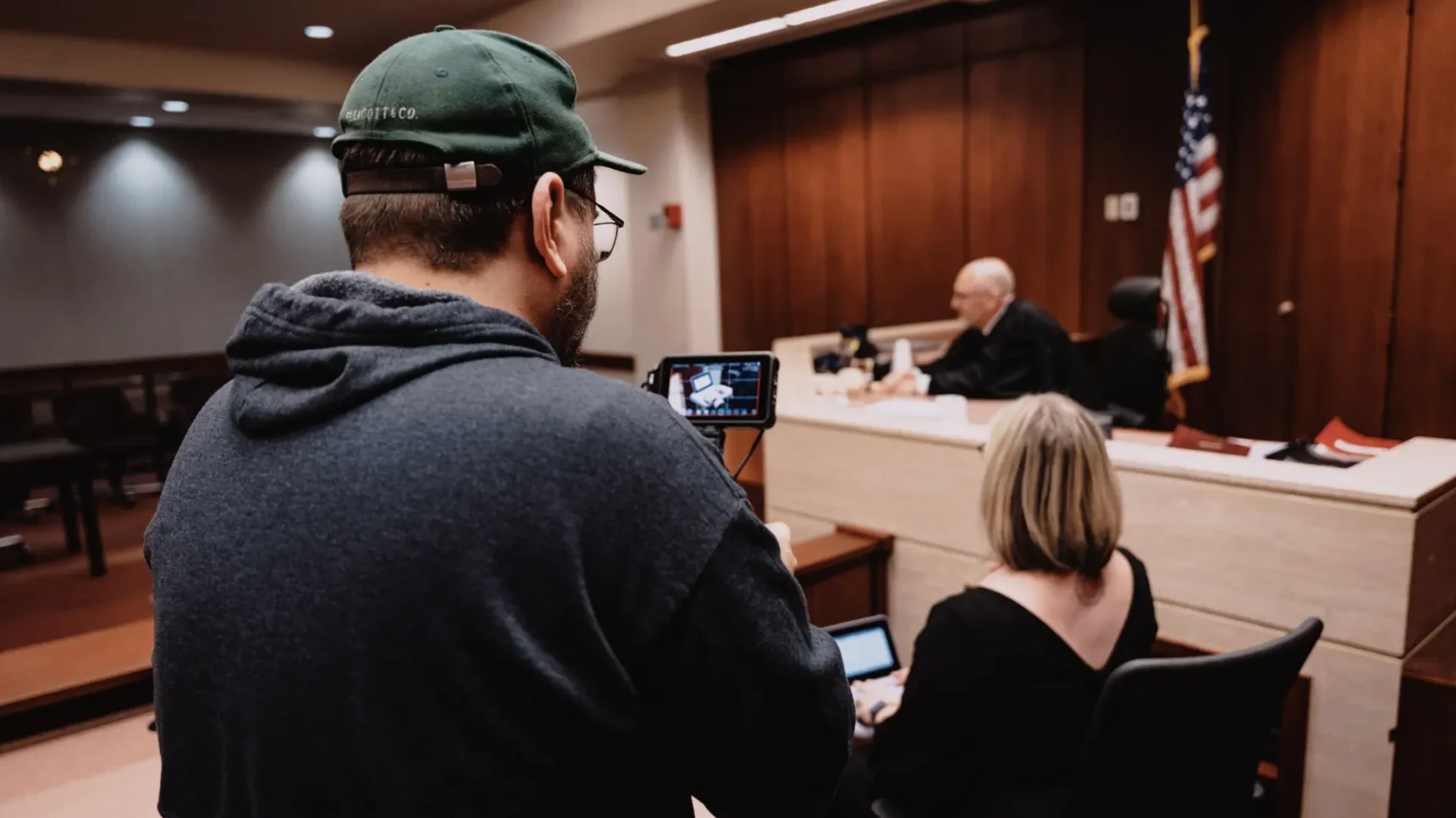
Residents interact with county government every day. They visit your website to pay taxes, apply for permits, report concerns, explore parks, search for jobs, or learn about community services. Each interaction shapes how they perceive your organization.
Public communication plays an important role in that experience. Clear, accessible information helps residents find what they need, builds confidence in local government, and encourages meaningful engagement with the community. At the same time, county leaders often face limited staff, competing priorities, and growing expectations from the public.
Modernizing public communications focuses on creating consistent, reliable ways to inform, serve, and connect with the people who depend on your organization.
What Is Public Communication in Local Government?
Public communication refers to the ways county governments share information with residents, businesses, employees, and community partners. It includes everything from website content and social media posts to emergency notifications, recruitment campaigns, newsletters, videos, and public meeting announcements.
Each communication should answer a simple question:
Does this help someone accomplish what they came here to do?
Residents don’t visit a county website because they want to admire its design. They need information quickly. They want directions, accurate updates, and confidence that they’re accessing reliable information.
Strong public communication removes unnecessary barriers and helps people engage with local government more easily.
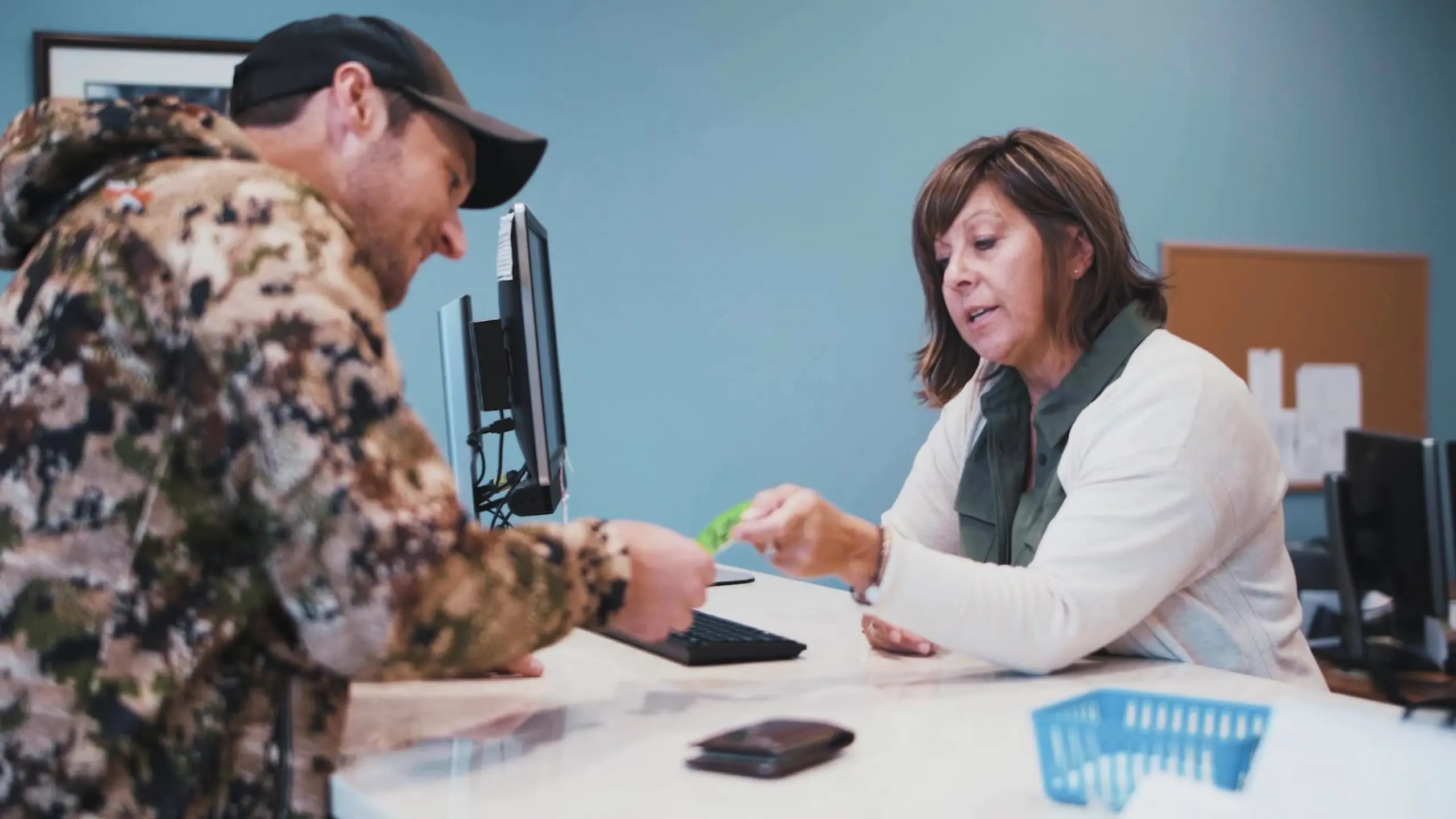
Good Communication Makes Government Easier to Navigate
County governments provide essential services that affect nearly every resident. When communication falls short, frustration often follows. Residents may struggle to locate forms, misunderstand important deadlines, or overlook available resources simply because information is difficult to find or inconsistent across departments.
Internal teams feel those effects as well. Staff members spend valuable time answering questions that could have been resolved through better communication online.
Thoughtful communication creates benefits that extend across the organization:
- Improves access to county services
- Builds trust through transparency
- Reduces confusion and repetitive inquiries
- Encourages community participation
- Supports employee recruitment and retention
These improvements come from a long-term commitment to communicating clearly and consistently.
Five Ways County Governments Can Modernize Public Communications
1. Treat Your Website as a Public Service
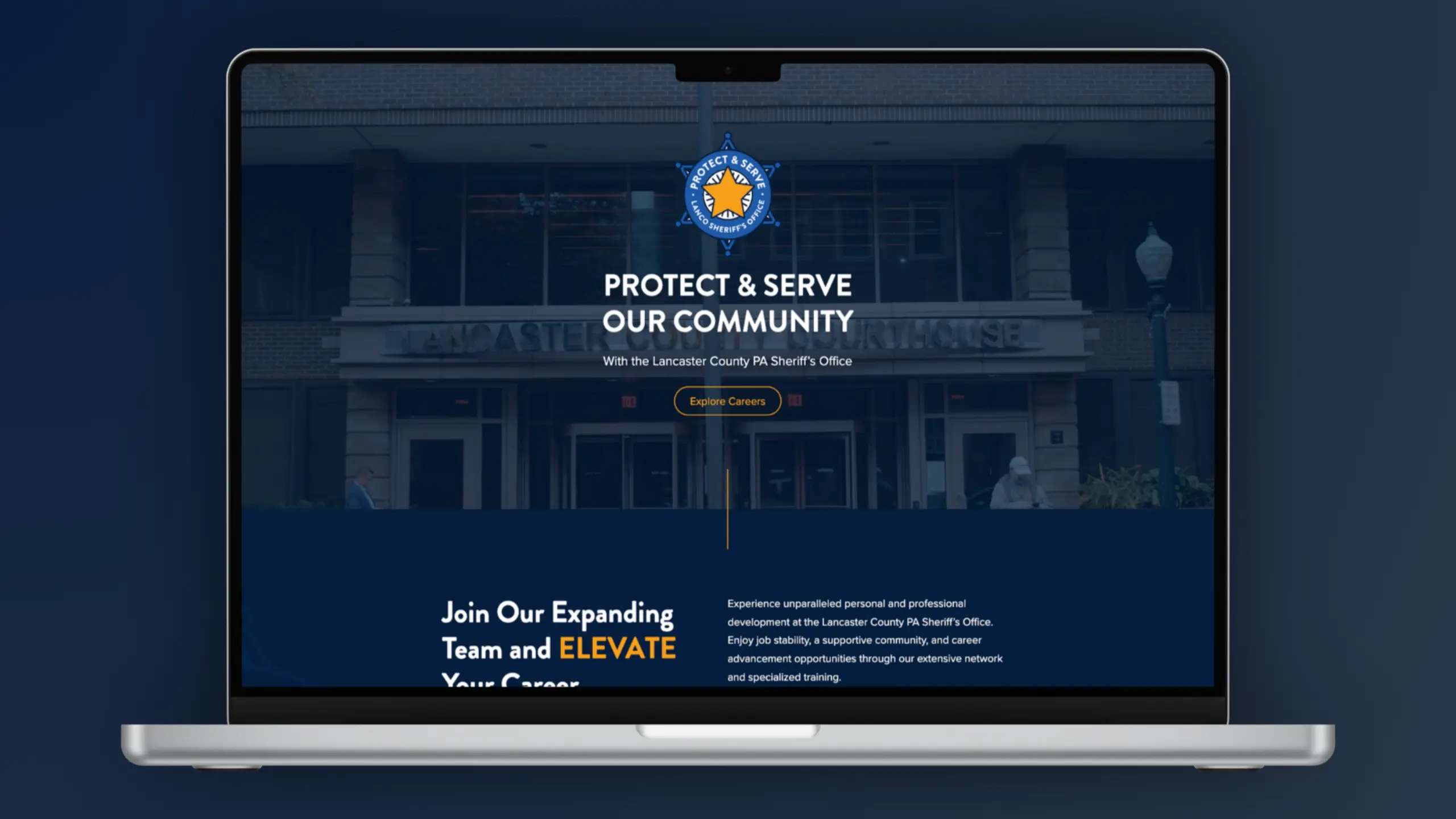
For many residents, your website serves as the front door to county government. Unfortunately, many government websites grow over time without a clear strategy. A modern government website should help visitors complete tasks with as little friction as possible.
Ask yourself:
- Can residents find frequently requested information in just a few clicks?
- Is important information easy to read?
- Does the website work well on mobile devices?
- Are accessibility standards being followed?
Improving the user experience often has a direct impact on resident satisfaction.
2. Create Consistent Messaging Across Every Department
County governments communicate through many offices, departments, and programs. Without clear standards, messages can quickly become inconsistent.
Brand consistency helps residents recognize official communications and builds confidence that information comes from a trusted source. Developing shared messaging guidelines, writing standards, and visual consistency across departments creates a more unified experience for the public.
Uniformity also makes future communications easier to produce because teams aren’t starting from scratch every time.
3. Use Video to Simplify Complex Information
Some topics are difficult to explain through text alone. Public meetings, infrastructure projects, election information, construction updates, or changes to county services often benefit from visual communication.
Short videos can help residents understand:
- How a process works
- Why a project is happening
- What changes to expect
- How county resources benefit the community
Video also creates opportunities to introduce the people serving the community, helping government feel more approachable and transparent.

4. Make Recruitment Part of Your Communication Strategy
Many county governments continue to face hiring challenges. Job seekers evaluating culture, leadership, and purpose along with salary and benefits. Your public communications influence employer perception long before someone submits an application.
Career pages, employee stories, recruitment videos, and consistent messaging help potential applicants understand what it means to serve their community through county government.
An authentic employer brand can strengthen recruitment efforts while reinforcing public trust.
5. Communicate Proactively Rather Than When Questions Roll In
Residents appreciate timely communication. Waiting until questions begin appearing on social media often means you’ve missed an opportunity to inform people earlier.
Upcoming road closures, community events, policy changes, seasonal reminders, and emergency updates all benefit from proactive planning. A coordinated communication calendar helps county teams prepare content ahead of time while ensuring residents receive information through multiple channels.
Consistency builds familiarity, and familiarity builds trust.
What Makes an Effective Government Website?
A government website should support the needs of its community first.
Effective county websites typically share several characteristics:
- Clear navigation
- Accessible design
- Mobile responsiveness
- Organized service information
- Fast loading speeds
- Up-to-date content
- Strong search functionality
- Clear calls to action
Just as important, successful websites continue evolving after launch as technology changes, resident expectations shift, and new services emerge.
Regular updates, ongoing maintenance, and continuous improvements help ensure the website remains useful for years to come.
Great Communication Builds Confidence Long Before a Conversation Begins
Every interaction with your county tells a story. Sometimes that story begins with a website. Other times it’s a hiring campaign, public meeting announcement, social media post, or construction update. Individually, they may seem like small touchpoints. Together, they shape how residents experience your organization.
That’s why we believe public communication deserves the same level of strategy and care as the services your county provides.
At Cross & Crown, we partner with county governments to create websites, recruitment campaigns, video content, and communication strategies that help organizations better serve their communities. Our role is to support your team with thoughtful strategy, creative execution, and a long-term perspective.
If your communications no longer reflect the quality of work happening across your county, then let’s talk. Together, we can build tools and strategies that make it easier for residents to connect with the people and services they rely on.

Cross & Crown
Based in Chambersburg, PA, we build & refine brands that inspire trust, drive engagement, lead with purpose, and ensure a thriving future.
Last Update: August 30, 2026
Read More
September 22, 2026
White Space Is One of the Most Powerful Design Tools
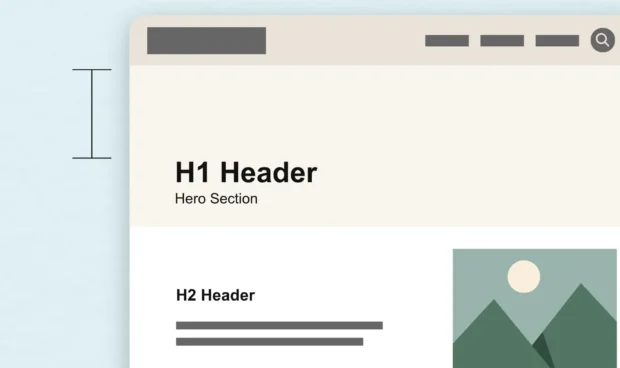
White space is more than empty space on a page. Learn how intentional spacing in web design improves readability, guides attention, and creates a better user experience.
Read Post
September 15, 2026
The Complete Guide to WCAG 2.2 for Website Owners
WCAG, the ADA, and other accessibility requirements often get discussed together, but they serve different purposes. Here's what website owners should know about accessibility standards, legal requirements, and creating a more usable website.
Read Post
September 8, 2026
Google Ad Grant Eligibility: What Nonprofits Get Wrong
Many nonprofits focus on qualifying for the Google Ad Grant but overlook what comes next. This article explores the misconceptions that limit success, why strategy matters as much as eligibility, and how organizations can turn free advertising into meaningful engagement with donors, volunteers, and the communities they serve.
Read Post