

Picture this: You run a local coffee shop. You’ve built a decent Instagram following, but lately your posts reach maybe 10% of your followers. Meanwhile, Facebook ad costs keep climbing, and you’re not sure if that $300 you spent last month actually brought anyone through the door.
This is exactly why email marketing has become essential for small businesses navigating unpredictable marketing trends.
Email marketing means sending permission-based, value-focused messages to subscribers who’ve opted in. These marketing emails nurture relationships, promote offers, share updates, and drive measurable actions—purchases, bookings, event sign-ups, and reviews.
Direct email communication avoids algorithm control, ensuring your messages reach the customer’s inbox. You can tap into it anytime, speak directly to your customer base, and land in your customer’s inbox without paying for the privilege.
High ROI on a Small Budget
Email consistently ranks among the top digital channels for return on investment. For small businesses trying to make every dollar spent count, this matters enormously.
Industry benchmarks consistently show email marketing returns around $36–$42 for every $1 spent—one of the highest ROI ranges across digital channels.
Costs for email marketing are primarily tied to your email service provider subscription (often free up to 500–1,000 contacts), occasional design support, and time spent planning campaigns.
Even simple email marketing campaigns—a monthly newsletter and a few automated emails—can quickly pay for themselves.
Building Relationships Instead of Chasing Algorithms
Email allows small businesses to communicate directly, personally, and consistently without competing against endless noise in social feeds.
Surveys consistently show 60% of consumers prefer email for marketing communications over other channels. They want purchase updates, discounts, and event information delivered to their customers’ inboxes—not buried in a social algorithm.
Key relationship-building email types:
- Welcome sequences that introduce your brand story, values, and core offers to new subscribers
- Educational emails that help subscribers solve problems or get more from your products
- Story-driven newsletters sharing behind-the-scenes content, customer wins, or community involvement
Email marketing is effective in nurturing long-term customer loyalty and brand loyalty beyond the initial purchase.
Regularly delivering helpful, relevant content positions your business as a guide and partner rather than just another seller. Regular email communication fosters brand loyalty and encourages repeat business. This relationship-building approach drives customer loyalty over time.
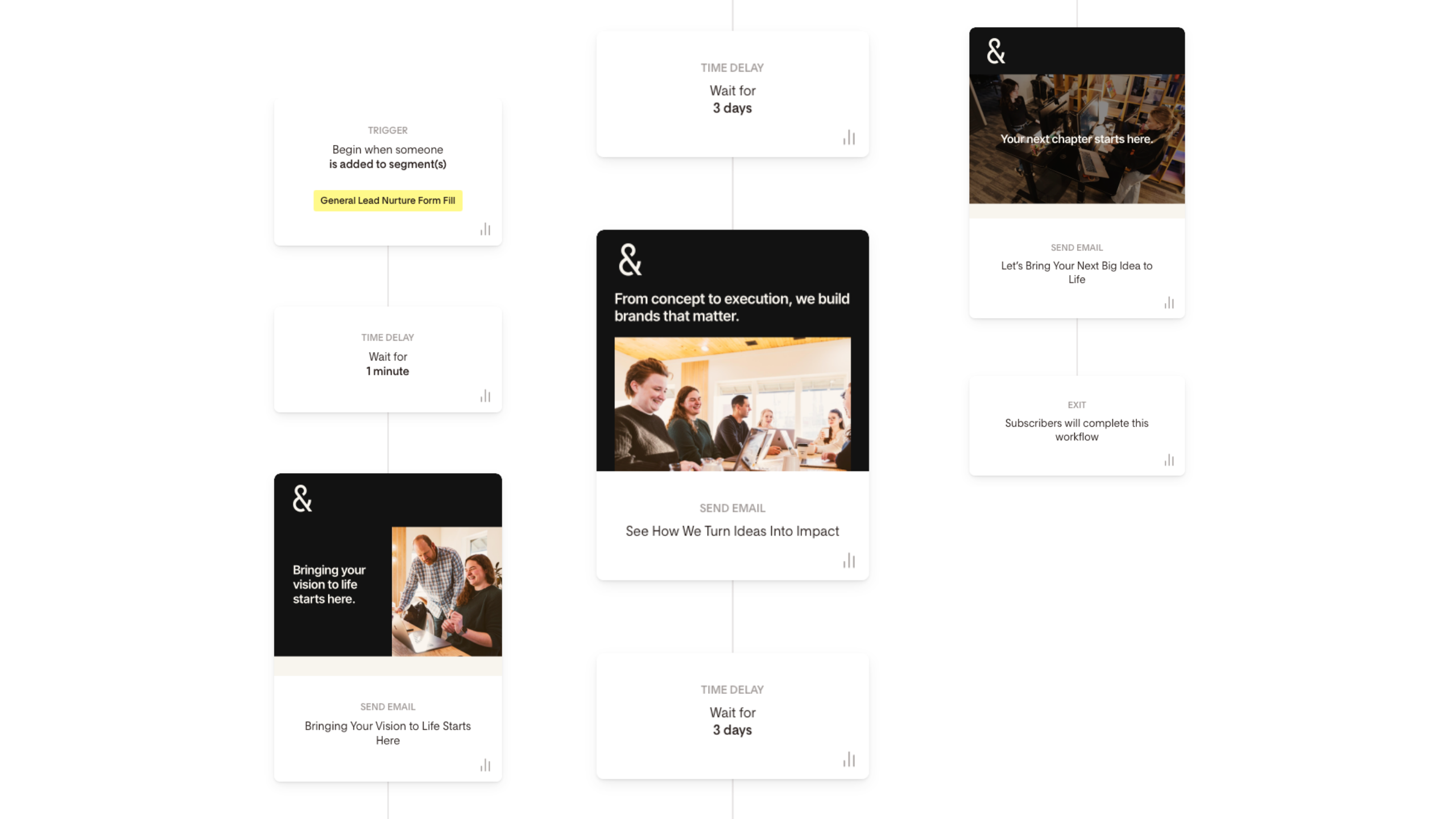
Cross & Crown helps clients map their customer journey, then uses email to support each stage—from first contact to conversion to advocacy. Even 1–2 high-quality content emails monthly can strengthen bonds and drive customer engagement.
Strengthening Brand Recognition and Consistency
For small businesses, being remembered is half the battle. Email keeps your brand top of mind between purchases or projects.
Consistent elements in your emails—logo, color palette, typography, photography style, voice—reinforce brand identity every time someone opens a message. This consistency across your marketing efforts creates recognition that compounds over time.
Email can showcase what makes you different:
- Photos of your staff in the shop or at community events
- Stories that reinforce your mission and values
- Visual elements matching your website, social channels, and in-store signage
Example: A local restaurant uses branded email templates for seasonal menus and special events. Every message feels connected to the experience customers have when they walk through the door.
A strong email program works best when built on a clear brand narrative and cohesive visual system—exactly what Cross & Crown creates across web, video, and digital campaigns.
Educating, Nurturing, and Retaining Customers
Email isn’t just for flash sales. It’s a powerful tool for teaching potential customers how to get more value from what you offer.
Educational content types that work:
- How-to guides, checklists, and helpful tips related to your products or services
- Case studies and testimonials that set expectations
- Answers to frequently asked questions
- Seasonal advice tied to local context (preparing for central Pennsylvania winters, back-to-school guides, holiday gift lists)
How nurturing sequences work:
- A subscriber downloads a guide or signs up for a webinar
- Over 7–14 days, they receive 3–5 emails that educate, build trust, and introduce your offers
- By the end, they’re primed to take action because you’ve demonstrated expertise
Retention-focused campaigns might include:
- Post-conversion follow-ups with tips, reminders, or instructions
- Transactional emails such as order confirmations or password resets
- Anniversary or renewal reminders based on purchase history
- VIP updates with early access for loyal customers
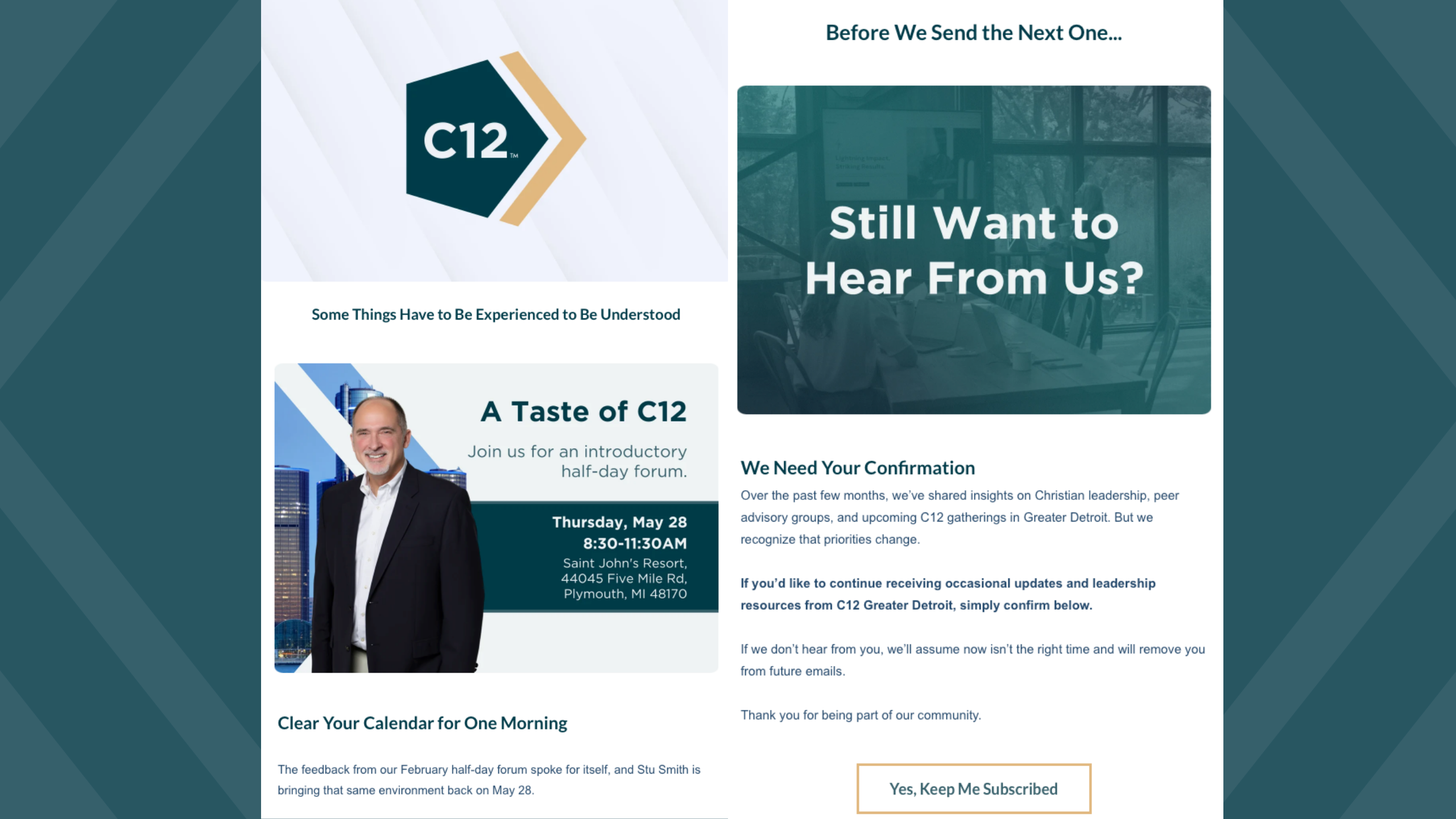
For Cross & Crown clients, educational content is often built from existing assets—blog posts, videos, FAQs—and repurposed into email, making content creation more efficient across retail, professional services, and nonprofits.
Personalization, Segmentation, and Automation (Without a Huge Team)
Many small business owners assume personalization and automation require enterprise-level resources. Modern email marketing tools have made these capabilities accessible to teams of 1–3 people. Many platforms now offer personalized emails, allowing businesses to send targeted messages based on segmentation and customer behavior. Additionally, some tools focus on specific functions like newsletters or transactional emails, while others provide a comprehensive suite of marketing tools tailored for small businesses.
Quick definitions:
- Personalization: Using a subscriber’s name, past behavior, and preferences in your messages
- Segmentation: Grouping people by interest, purchase history, location, or engagement level
- Automation: Setting up automated emails that send based on triggers (sign-up forms completed, abandoned carts, birthdays)
Practical segmentation examples:
- New subscribers vs. long-time loyal customers
- Local in-store shoppers vs. online-only buyers
- Donors vs. volunteers (for nonprofits)
- People who clicked on a specific service page but haven’t inquired
Cross & Crown helps clients choose their first 2–3 automated workflows based on goals such as more leads, visits, or event registrations.
How to Get Started with Email Marketing as a Small Business
You don’t need a perfect plan or massive list to begin. A simple setup over the next 30 days can make a measurable difference.
Step 1: Choose an email service provider (ESP).
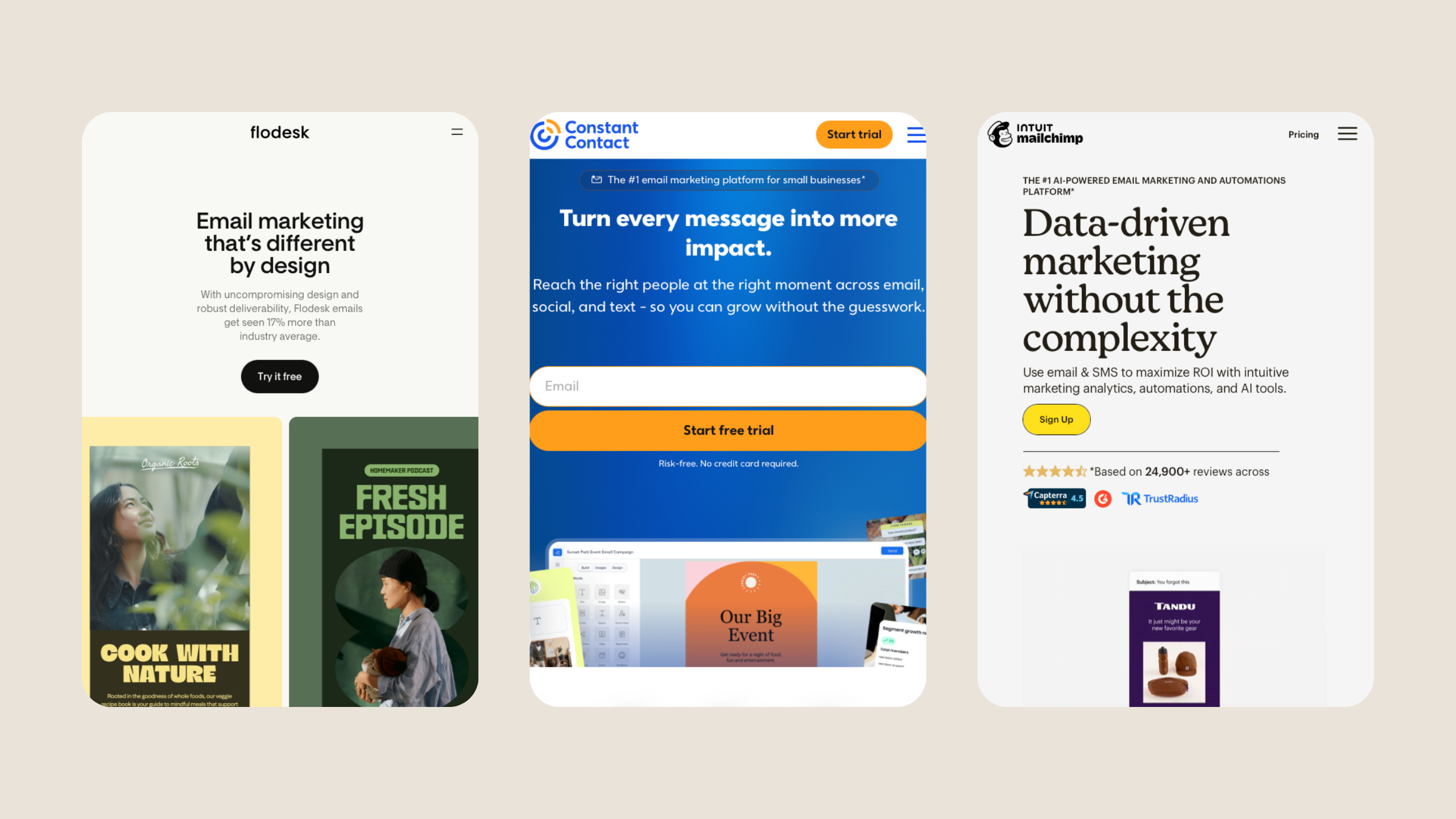
Popular small-business-friendly email marketing platforms include Mailchimp, Constant Contact, and Flodesk. Select based on list size, budget, ease of use, and integrations with your current website.
Step 2: Build your email list ethically.
- Add sign-up forms on high-traffic website pages and blog post pages
- Create lead magnets (checklists, local guides, discounts, early access)
- Use QR codes on print materials and at events to capture emails
Step 3: Plan your first campaigns.
Start simple:
- A welcome email or short welcome series
- A monthly or biweekly newsletter
- One promotional campaign per quarter
Define clear goals for each: website visits, consultations, event sign-ups, and donations.
Step 4: Design and write your emails.
Use branded templates with clear hierarchy, strong subject lines, and one primary call-to-action button per message. Write like a real human from your business, not corporate jargon.
Step 5: Stay compliant.
Only email people who’ve opted in, include clear unsubscribe links, and respect CAN-SPAM/GDPR regulations. Permission-based email keeps you out of spam folders and builds trust.
Measuring What Matters: Key Email Metrics for Small Businesses
One of email’s biggest advantages is measurability. You can see what’s working and adjust without guessing.
Key metrics to track:
| Metric | What It Measures | Benchmark Range |
| Open Rate | % who opened the email | 25–35% |
| Click-Through Rate | % who clicked a link | 2–5% |
| Conversion Rate | % who completed desired action | Varies by goal |
| Unsubscribe Rate | Audience fit indicator | Below 0.5% |
Note: Privacy changes affect open rate accuracy, so treat it as directional rather than absolute.
Basic A/B tests to try:
- Subject lines (length, tone, specificity)
- Call to action buttons (placement, wording)
- Send times and days
Cross & Crown uses email marketing metrics combined with website analytics to adjust messaging and creative, ensuring successful email marketing efforts improve over time.
When to Partner With a Marketing Agency for Email
Many small businesses start email marketing on their own. But at certain growth stages, collaborating with experts accelerates results.
Signs it’s time for help:
- You have a list but aren’t sending consistently or seeing results
- Email design feels off-brand compared to your website
- No clear strategy for segmenting audiences or building automated campaigns
- You want to tie email marketing efforts to revenue but lack reporting systems
Think of email as a long-term asset rather than a one-off tactic. Pairing a strategic agency with your owned email audience compounds growth over years—the kind of scalable tool that serves your business grows alongside you.
Ready to turn email into a growth engine? Let’s talk about your specific audience and goals.

Cross & Crown
Based in Chambersburg, PA, we build & refine brands that inspire trust, drive engagement, lead with purpose, and ensure a thriving future.
Read More
September 8, 2026
Google Ad Grant Eligibility: What Nonprofits Get Wrong
Many nonprofits focus on qualifying for the Google Ad Grant but overlook what comes next. This article explores the misconceptions that limit success, why strategy matters as much as eligibility, and how organizations can turn free advertising into meaningful engagement with donors, volunteers, and the communities they serve.
Read Post
September 1, 2026
A County Government’s Guide to Modern Public Communications
Public trust is built one interaction at a time. Discover how county governments can modernize their communications, improve the resident experience, and support long-term engagement with practical, people-first strategies.
Read Post
August 17, 2026
Email Drip Campaign Strategies for a Better Customer Journey
Email automation works best when it feels personal. Learn how drip campaigns help businesses connect with audiences, nurture relationships, and deliver the right message at the right time.
Read Post