
Today, attention is fragmented across dozens of social media platforms, streaming services, and competing messages. Mission-driven organizations can no longer rely on “post and hope” tactics to raise awareness or inspire action. Digital marketing generated over a billion dollars in nonprofit contributions in 2021 alone—proof that targeted digital marketing strategies for social impact work when applied with intent.
For nonprofits, churches, schools, and values-driven businesses, targeted campaigns deliver concrete outcomes: recruiting volunteers, driving donations, filling event seats, growing email lists, and moving potential supporters toward long-term participation. While digital marketing is often associated with selling products, it is equally effective for driving social change and demonstrating impact.
Clarify the Impact You’re Targeting Before You Target Audiences
Every targeted campaign should start with a concrete, measurable goal—not just “more awareness.” Vague objectives waste resources and make it impossible to track progress or prove stewardship.
Examples of specific social impact goals:
- Increase recurring monthly donors by 20% by December 2026
- Recruit 150 new volunteers for a 2026 back-to-school initiative
- Enroll 40 new students for the Fall 2026 semester
- Engage 300 first-time visitors at church Easter services in March/April 2027
To turn a broad mission like “end food insecurity in Franklin County” into a campaign-ready objective, connect it to specific behaviors: donations to fund 500 meal kits, signups for volunteer delivery shifts, or registrations for a community dinner event.
Use the SMART framework—Specific, Measurable, Achievable, Relevant, Time-bound—and tie each campaign to 1–2 key performance indicators like cost per lead or volunteer signups.
At Cross & Crown, we typically facilitate strategy with leadership and communications teams to define clear campaign goals before any creative work begins. This internal alignment prevents siloed efforts and enables data-informed decisions throughout the campaign.
Build Data-Driven Audience Profiles That Reflect Real Communities
Effective targeting blends valuable data from analytics, CRM systems, and ad platforms with on-the-ground knowledge of local communities. Numbers alone don’t capture motivations—you need both.
Build 3–5 concrete audience personas:
- Young professional donor in Harrisburg, age 25–35, interested in volunteering
- Parent of school-age children in Chambersburg prioritizing local education
- Retired volunteer within 30 miles of Waynesboro seeking community involvement
- Lapsed donor who gave three years ago but hasn’t engaged since
Data sources to leverage:
- Google Analytics demographics
- Meta Audience Insights
- Email list segmentation
- Past donor reports and event attendance lists
Segment your target audience by intent and relationship stage: new prospects, warm leads, active supporters, lapsed supporters, and community partners. Understanding motivations—spiritual growth, community pride, education for children, local economic health—shapes messaging for each segment and creates relatable content that resonates on an emotional level.
Targeted Channel Strategy: Meeting Supporters Where They Already Are
In 2026, effective platform selection typically includes a mix of search, social media, or email. The key strategies involve matching each channel to a specific objective and target demographic. It is also essential to strategically plan and create campaigns that effectively reach and engage specific audiences, ensuring the messaging resonates and achieves the desired social impact.
Paid Social Campaigns with Clear Targeting Parameters
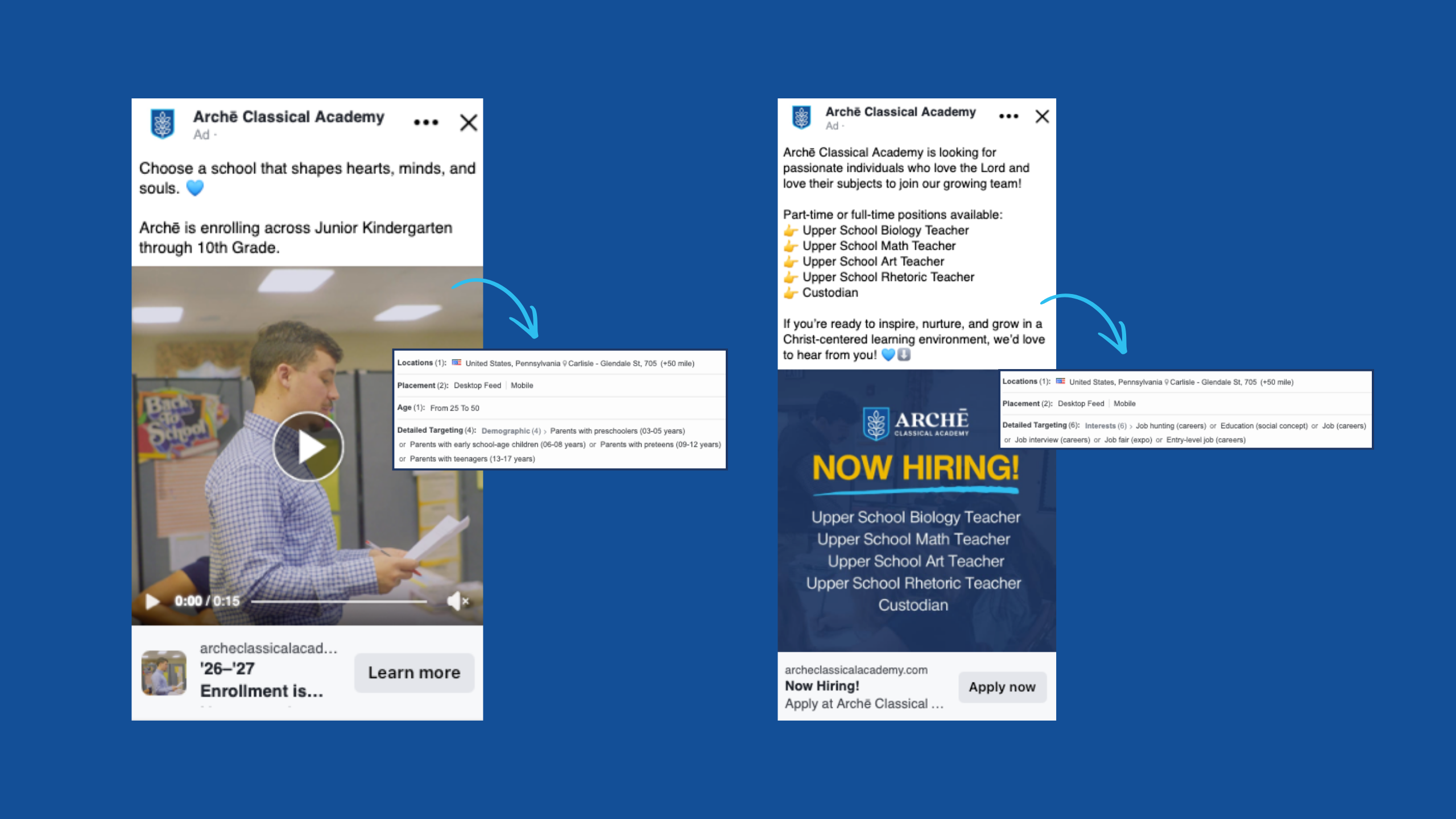
Leverage social media platforms like Meta (Facebook/Instagram) and YouTube for most nonprofit and church audiences. Consider TikTok or Instagram Reels for Gen Z and young adults, or LinkedIn for B2B partner outreach.
Concrete targeting examples:
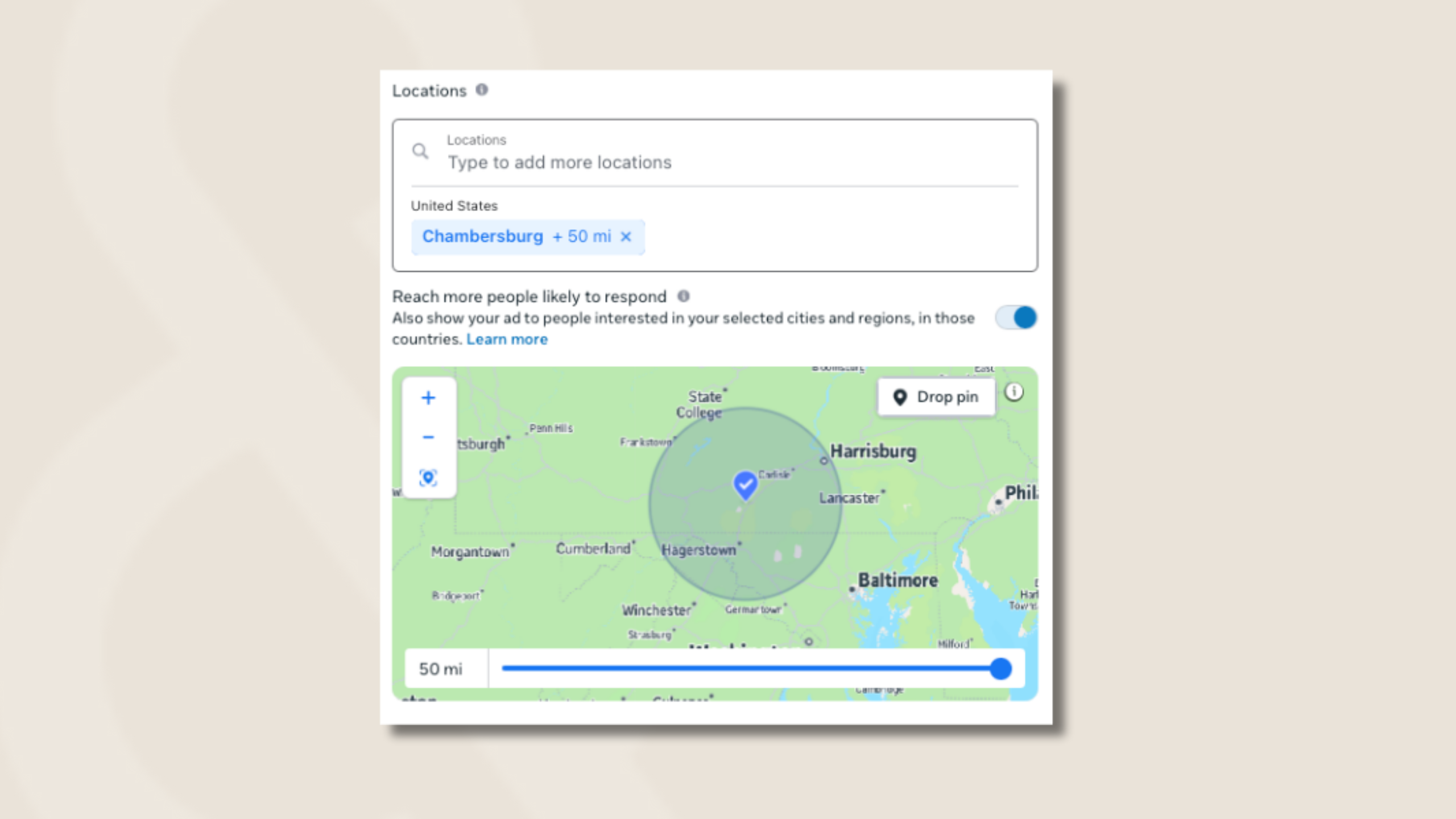
- Radius targeting around Chambersburg, Harrisburg, or Pittsburgh (15–30 miles)
- Interest targeting: “volunteering,” “local church,” “Christian education,” “community development”
- Custom audiences from website visitors, past donors, or event registrants
- Lookalike audiences to reach new audiences similar to your best supporters
For creative, use short vertical video and carousels featuring real people from your organization with clear calls to action: “Give $25 to sponsor one student’s school supplies before August 15, 2026.” A/B test ad copy, visuals, and CTAs, pausing underperformers every 7–14 days. Optimized campaigns can achieve a cost per donation as low as $10–$20.
Search, SEO, and Intent-Driven Traffic
Search captures people already looking for help or ways to help—queries like “food pantry near me,” “Christian school in PA,” or “how to serve my community.”
Key tactics:
- Create landing pages optimized around phrases tied to impact: “volunteer opportunities in Franklin County” and “donate to homeless shelter in Chambersburg”
- Implement local SEO: Google Business Profile, local citations, location pages
- Use content marketing to blog about community issues and build website traffic. By providing valuable information and resources, organizations can position themselves as thought leaders in their field
- Apply schema markup for events and nonprofits
Organizations have successfully implemented targeted digital marketing for social change by utilizing social media platforms, influencer partnerships, and data-driven storytelling.
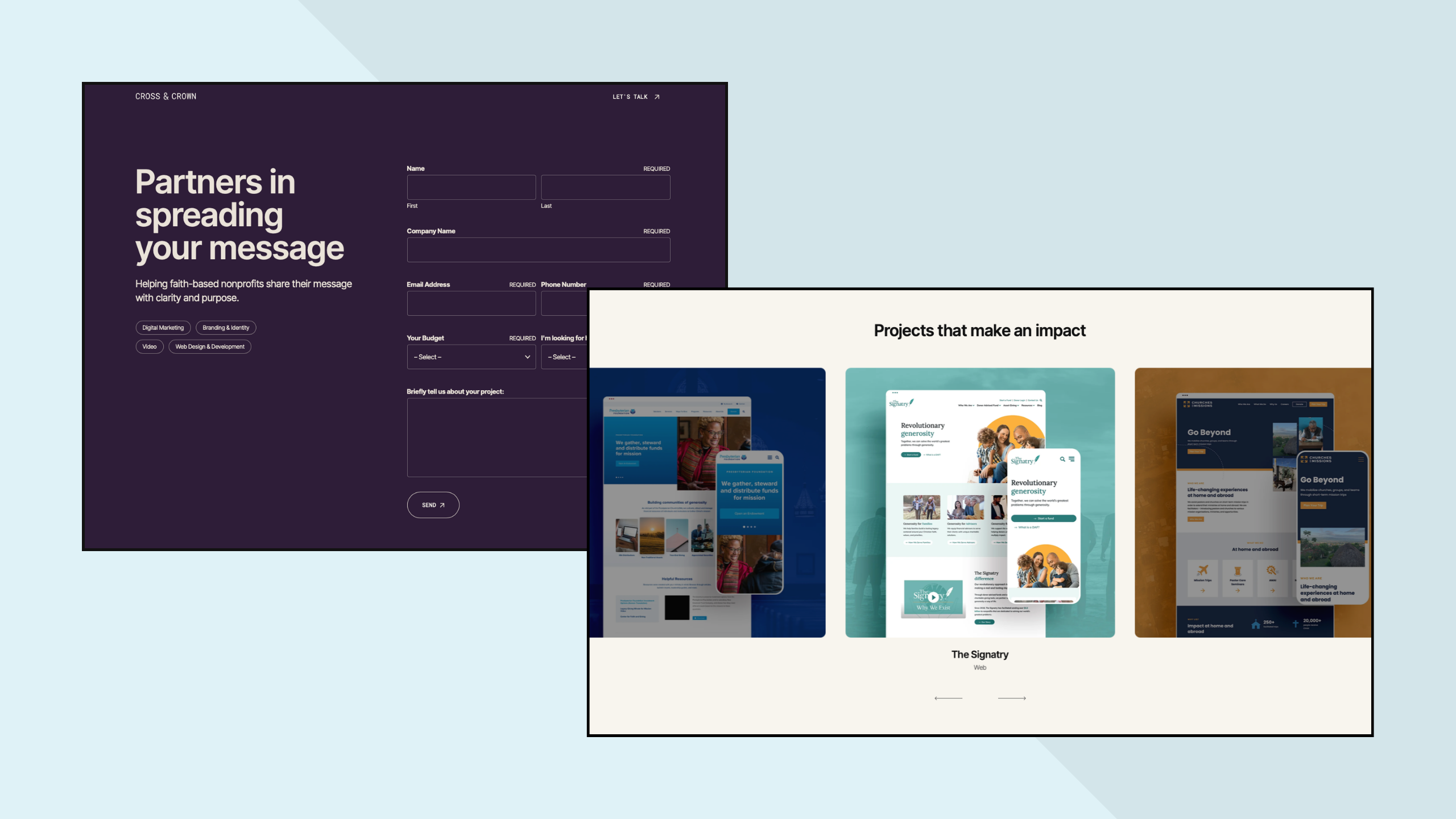
Cross & Crown pairs thoughtful content strategy with conversion-focused landing page design to ensure your message reaches people ready to act.
Email List Building and Nurture Journeys
Email is your relationship channel; it turns one-time campaign clicks into long-term supporters.
High-value lead magnets for social impact audiences:
- Downloadable local impact reports
- Devotionals for church audiences
- Community guides (e.g., “2026 Guide to Serving in Franklin County”)
- Behind-the-scenes project updates
Grow segmented lists using on-site forms, pop-ups, and social lead ads aligned to interests like education, homelessness, missions, or youth programs. Build a 3–5 email welcome sequence: introduce the mission, share one powerful story, then offer a specific next step (donate, attend, volunteer).
Story-Driven Creative: Turning Targeting into Trust
Targeting gets your message seen. Story-driven, engaging content makes people care enough to act.
At Cross & Crown, we believe every mission has a story. Effective digital creative shows specific lives changed rather than just abstract statistics. This creates connection at a deeper level than data alone.
Compelling content formats that work:
- 60–90 second video testimony from a beneficiary or volunteer
- Scrollable “day in the life” visual story on Instagram or your website
- User-generated content from supporters sharing their experience
Tailor story angles to different segments: donors see stewardship and long-term outcomes, volunteers see hands-on impact and community, and parents see safety and growth for children. Maintain consistent brand values and visuals across ads, landing pages, and email to reinforce recognizability and build trust.
Build Long-Term Supporter Journeys, Not One-Off Campaigns
Social impact is a marathon. Targeted digital marketing should cultivate long-term relationships rather than chase one-time clicks for lasting impact.
The supporter lifecycle:
- Awareness – Discovery via search, social media strategy, or referral
- Interest – Email nurture, relevant content, interactive content
- First action – Donation, volunteer signup, event attendance
- Repeat engagement – Ongoing participation, increased giving
- Advocacy – Sharing, referring friends, influencer collaborations
Create annual communication rhythms around real dates: back-to-school drives each August, Giving Tuesday campaigns each November, Easter and Christmas services for churches. Share behind-the-scenes updates, impact reports, and regular “thank you” messages showing what supporters made possible.
Cross & Crown partners with organizations over years—refining brand, website, and campaign strategy so each year’s marketing efforts compound in meaningful social impact rather than starting from scratch. Get in touch today.

Cross & Crown
Based in Chambersburg, PA, we build & refine brands that inspire trust, drive engagement, lead with purpose, and ensure a thriving future.
Read More
September 8, 2026
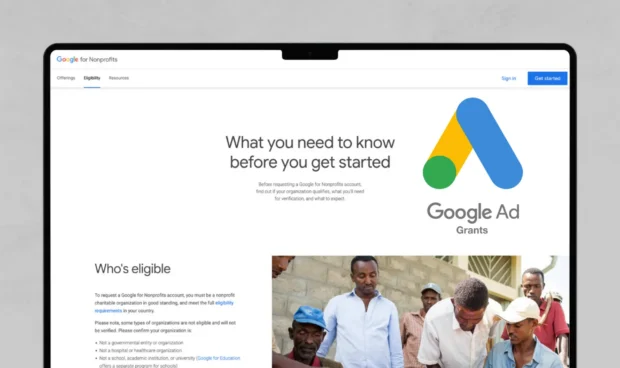
Google Ad Grant Eligibility: What Nonprofits Get Wrong
Many nonprofits focus on qualifying for the Google Ad Grant but overlook what comes next. This article explores the misconceptions that limit success, why strategy matters as much as eligibility, and how organizations can turn free advertising into meaningful engagement with donors, volunteers, and the communities they serve.
Read Post
September 1, 2026
A County Government’s Guide to Modern Public Communications
Public trust is built one interaction at a time. Discover how county governments can modernize their communications, improve the resident experience, and support long-term engagement with practical, people-first strategies.
Read Post
August 17, 2026
Email Drip Campaign Strategies for a Better Customer Journey
Email automation works best when it feels personal. Learn how drip campaigns help businesses connect with audiences, nurture relationships, and deliver the right message at the right time.
Read Post