

A website can be busy without being effective. People are finding your business, clicking through your pages, and spending time on your site, but if they aren’t reaching out, scheduling a consultation, or requesting a quote, something is getting in the way.
If you’re wondering why your website isn’t generating leads, the answer usually isn’t one major problem. More often, it’s a handful of smaller issues that create friction throughout the customer journey. Fortunately, most of them can be identified and improved.
Are the Right People Finding Your Website?
Before asking why visitors aren’t converting, ask whether the right visitors are arriving in the first place. A website can receive hundreds or even thousands of visits each month, but if those visitors aren’t part of your ideal audience, traffic alone won’t generate meaningful results.
Look at where your visitors are coming from. Are they finding you through relevant search terms? Are your marketing campaigns attracting people who genuinely need your services? Are your website pages aligned with the questions your ideal customers are asking?
Learning how to generate leads from your website starts with attracting qualified visitors.
Do Visitors Immediately Understand What You Do?
You only have a few seconds to answer one important question: “Am I in the right place?”
Too many websites focus on clever headlines or company history instead of helping visitors understand exactly who they serve and how they help. When someone lands on your homepage, they should quickly understand:
- What your business does
- Who you help
- What makes you different
- What they should do next
If visitors have to search for those answers, many won’t stay long enough to find them. Clear messaging is one of the biggest contributors to lead generation.

Are You Giving Visitors a Clear Next Step?
Imagine walking into a store where no one greets you, no signs point you in the right direction, and you’re left guessing where to go. That’s what many websites feel like.
Every page should encourage visitors to take a logical next step. That doesn’t always mean “Contact Us.” Depending on where someone is in their journey, the next step might be:
- Request a consultation
- Download a guide
- Schedule a demo
- View your portfolio
- Read a case study
- Subscribe to your newsletter
Calls to action should feel natural, visible, and relevant to the page they’re on. If your website leaves visitors wondering what to do next, they’re more likely to leave than convert.
Does Your Website Build Confidence?
People don’t make decisions based on information alone. They also look for reasons to trust your business.
Think about your own buying habits. Before making an important purchase, you probably read reviews, explored a company’s website, looked at past work, or searched for signs that others had a positive experience. Your website should do the same for prospective customers. Trust-building elements might include:
- Client testimonials
- Case studies
- Project galleries
- Industry certifications
- Awards or recognition
- Team photos
- Clear contact information
These details help visitors feel more confident that your business can deliver on its promises.
Are You Measuring the Right Website Performance Metrics?
Many businesses focus on traffic because it’s easy to measure; however, traffic alone doesn’t explain whether your website is helping your business grow. Instead, pay attention to website performance metrics that provide insight into how visitors are interacting with your site.
For example:
- Which pages generate the most conversions?
- Where do visitors leave your website?
- How long do people stay on key pages?
- Which calls to action receive the most clicks?
- Which traffic sources produce qualified leads?
These metrics tell a much more complete story than page views alone. Understanding how visitors move through your website allows you to make informed decisions instead of relying on assumptions.
Are You Treating Your Website Like a Living Tool?
One of the biggest misconceptions about websites is that they’re finished once they’re launched, but the highest-performing websites are constantly evolving. Businesses learn from customer feedback, monitor website performance metrics, refine messaging, improve user experience, and adjust content as their goals change. Your website should evolve alongside your business.
Small improvements made consistently often produce better long-term results than waiting several years for a complete redesign.
Bringing It All Together
Learning how to generate leads from your website is about understanding how each part of your website works together to create a better experience for your audience.
Clear messaging attracts the right people, thoughtful design builds trust, strong calls to action encourage visitors to take the next step, and meaningful website performance metrics help you identify what’s working and where improvements can be made.
When those pieces work together, your website becomes a valuable tool for growing your business.
How Cross & Crown Helps Businesses Turn Websites Into Lead-Generating Tools
At Cross & Crown, we believe a successful website starts with strategy. Great design matters, but it’s only effective when it’s supported by clear messaging, intuitive user experience, thoughtful content, and ongoing optimization.
If you’re wondering why your website isn’t generating leads, the answer may not be as complicated as you think. Sometimes a few strategic improvements can make a meaningful difference.
Ready to take a closer look at your website? Contact Cross & Crown to start the conversation and discover how your website can better support your business goals.

Cross & Crown
Based in Chambersburg, PA, we build & refine brands that inspire trust, drive engagement, lead with purpose, and ensure a thriving future.
Last Update: July 28, 2026
Read More
October 26, 2026
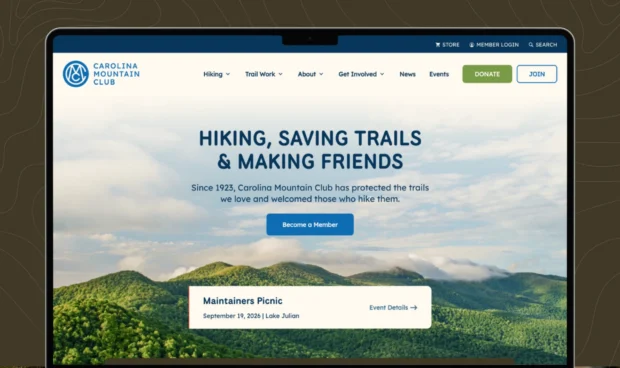
How Much Should a Nonprofit Website Cost in 2026?
Five agencies can give you five very different website quotes. Learn what goes into nonprofit website cost in 2026, from strategy and design to development, content, and ongoing support.
Read Post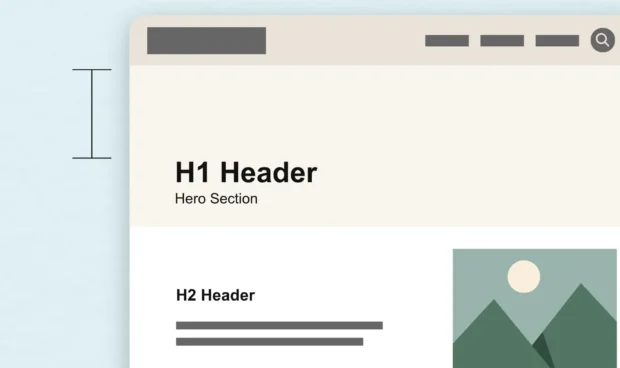
September 22, 2026
White Space Is One of the Most Powerful Design Tools
White space is more than empty space on a page. Learn how intentional spacing in web design improves readability, guides attention, and creates a better user experience.
Read Post
September 15, 2026
The Complete Guide to WCAG 2.2 for Website Owners
WCAG, the ADA, and other accessibility requirements often get discussed together, but they serve different purposes. Here's what website owners should know about accessibility standards, legal requirements, and creating a more usable website.
Read Post