

AI has moved quickly from something marketers experimented with to something that touches nearly every part of the job. It can help write a first draft, analyze data, generate images, summarize a meeting, personalize an email, build an audience segment, or automate a task that used to take an afternoon.
That pace of change has created plenty of excitement, but it has also created a fair amount of uncertainty. Clients are asking different questions, marketing teams are reconsidering how they spend their time, agencies are evaluating which tools are worth adding to their workflows and where human involvement still matters most.
AI Has Already Changed the Marketing Workflow
You do not have to look far to find AI in the tools marketers already use.
Many of the platforms behind everyday marketing work now include AI-powered features.
- Email platforms can help generate subject lines and suggest content.
- Advertising platforms use machine learning to optimize audiences, placements, and bids.
- Design tools can generate images or make edits in seconds.
- Analytics platforms can surface patterns in large amounts of data.
- Marketing automation tools can help personalize communications based on someone’s behavior.
For marketers, this means some of the work that once required significant manual effort can happen faster. Admittedly, that’s incredibly useful. A marketing team that spends less time formatting reports, sorting data, creating repetitive variations, or completing administrative tasks has more time available for strategy, creative thinking, client conversations, and problem-solving.
What’s most important is that efficiency gives marketers more room to do the parts of the work that require judgment.
AI Is Changing What Clients Expect
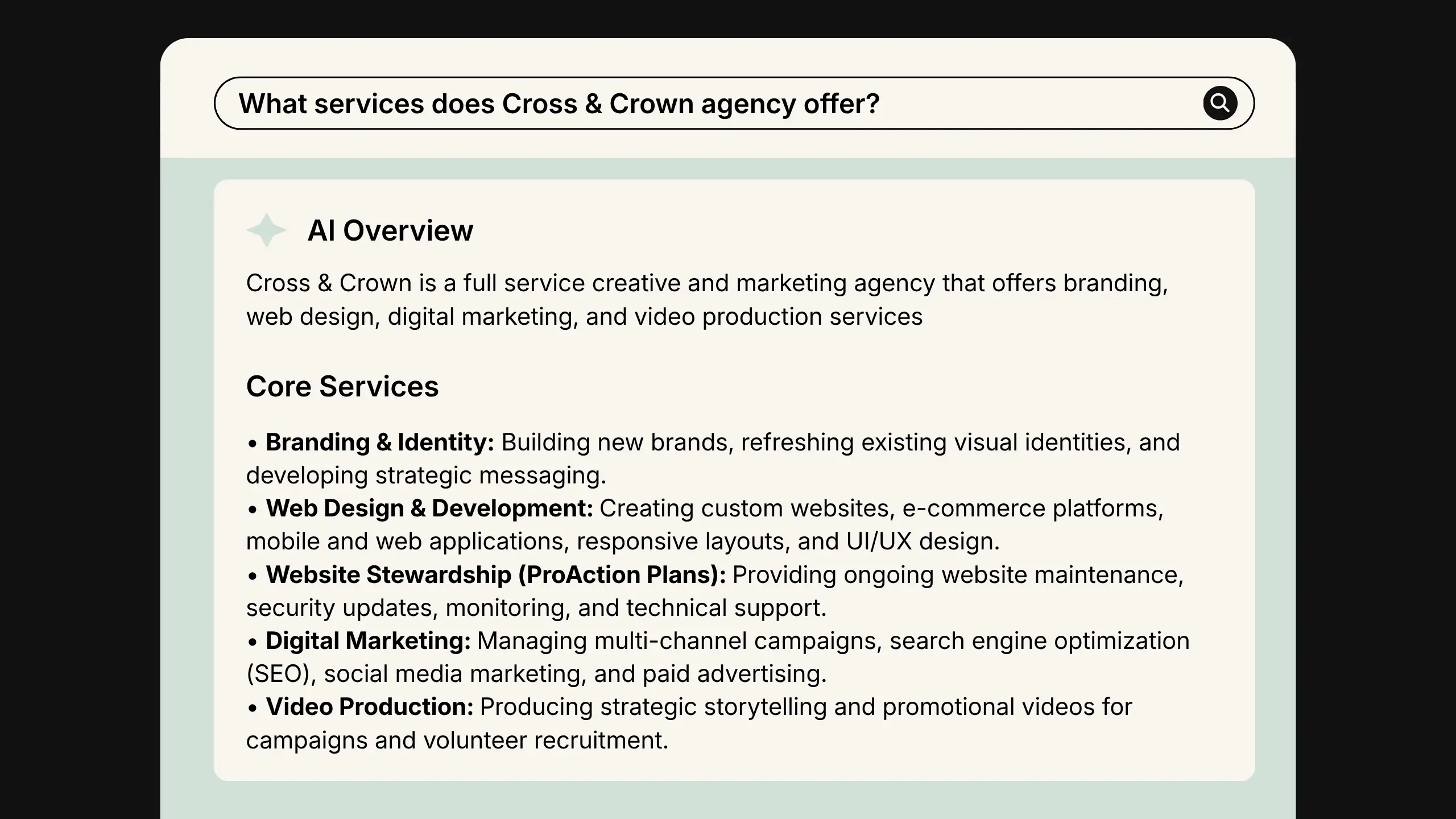
We are seeing AI change the questions clients bring to marketing conversations. A few years ago, discussions might have centered on website traffic, social engagement, search rankings, or the performance of a paid campaign. Those metrics still come up in conversation, but there is a new question showing up more often: How will people find us as search changes?
AI-powered search is changing the way people discover information. Instead of typing a few keywords into Google, someone might ask an AI tool to recommend a service provider, compare options, explain a complex topic, or point them toward an organization that can help. That changes the path between having a strong online presence and being discovered by the people you want to reach.
For marketers, that means search strategy has to account for more than traditional rankings. Content needs to answer real questions clearly. Websites need to communicate what an organization does and who it serves. Brand messaging needs to be consistent enough that an organization can be understood across the many places people encounter it.
This is one reason AI search has become such a significant part of our conversations with clients. Organizations are also asking how to remain visible and credible as the search experience itself evolves.
We have already seen this kind of shift happen before. Social media changed how people discovered brands, mobile changed how they interacted with them, and search engines changed how they found information. AI is creating another change in that process, and marketers need to pay attention.
The exact shape of AI search will continue to evolve. What seems clear is that organizations with strong brands, useful content, clear messaging, and a solid digital foundation will be better positioned to adapt as it does.
The Best Use of AI May Be the Work People Never See
Some of the most valuable applications of AI in marketing are not particularly flashy. Think about the repetitive work that keeps a marketing team moving. This may include:
- Cleaning up data.
- Summarizing research.
- Organizing information.
- Generating variations of ad copy.
- Turning a long piece of content into social posts.
- Pulling themes from customer feedback.
- Creating a starting point for an email sequence.
AI can help with many of those tasks. A team with two or three people handling marketing cannot suddenly become a team of 20, but better tools can give that team more capacity.
The goal should be to automate the right things and not everything.
If a tool can handle a repetitive task accurately and consistently, let it. If a task requires understanding a client’s audience, interpreting a nuanced message, making a creative decision, or deciding what a brand should stand for, that is where human expertise becomes much harder to replace.
AI May Shift Marketing Toward Growth, Brand, and Trust
As AI handles more production work, marketers may spend less of their time producing individual pieces of content and more of it deciding what deserves to be produced in the first place.
That could mean more attention on brand strategy, customer experience, campaign planning, positioning, audience research, creative direction, and long-term growth.
It could also change the economics of personalization. Creating ten slightly different versions of a campaign used to require a significant amount of time. AI makes it increasingly possible to adapt messaging for different audiences, channels, and stages of the customer journey without building every version manually.
The opportunity is substantial, but personalization still needs a strategy behind it. Sending someone a message that uses their name is not particularly meaningful if the message itself has nothing useful to say.
The same principle applies to content. AI can help an organization produce more, but producing more does not automatically create more value.
Good marketing still starts with knowing who you are trying to reach, what they need, what you can offer, and why they should care.

Will Marketing Be Replaced by AI?
Definitely not. But the job of a marketer is likely to keep changing.
New responsibilities will emerge, and marketers who learn how to work effectively with AI will have capabilities that were not available to previous generations of marketing teams. The more interesting question is what remains difficult for AI to replicate.
Strategy requires context, creativity requires taste and judgment, brand building requires consistency over time, strong client relationships require listening, trust, and an understanding of the people behind the organization, and good storytelling requires knowing which details matter and which ones should be left out.
Those skills are especially important for organizations with complex missions or specialized audiences. A nonprofit, financial institution, local government, or technical service provider cannot build a meaningful brand identity by simply generating more content. Someone still has to understand the organization, its audience, its goals, and the larger context surrounding its work.
That is where marketing gets interesting.
Human Input Will Become More Valuable, Not Less
There is another side to the growth of AI that deserves attention: people are becoming more aware of AI-generated content.
As AI becomes easier to use, audiences will encounter more generic articles, synthetic images, automated emails, and content that feels strangely similar from one organization to the next. Some people will not care, while others will actively seek out evidence that there is a real person, perspective, or expertise behind what they are consuming. That could make human input a meaningful differentiator.
Things like original photography, a strong point of view, a real customer story, and a designer making intentional choices all have value because they communicate something AI cannot manufacture on its own: genuine experience.
The brands that understand this will use AI responsibly, without allowing it to flatten their identity.
Marketing Is Still About Connection
Technology has always changed marketing. The channels have changed, the way people discover businesses has changed, and the amount of data available to marketers has changed. Social media, smartphones, automation, analytics, and now generative AI have all altered the way organizations communicate with their audiences.
Marketing helps an organization explain what it does, why it matters, and why someone should pay attention. It creates opportunities for people to discover a brand, understand its value, build trust, and take action. AI gives marketers new ways to do that work. It also gives organizations the ability to move faster and accomplish more with the resources they already have.
At Cross & Crown, we do not see AI as a replacement for strategy, creativity, or relationships. We see it as another tool in the marketer’s toolkit. The value comes from knowing when to use it, when to question it, and when a human perspective is worth far more than a faster answer.
The future of marketing will probably look very different from the marketing we know today. We think that is a good reason to get better at the work that technology cannot do for us: understanding people, telling meaningful stories, building trust, and creating brands that feel like they belong to real organizations with real purposes.

Cross & Crown
Based in Chambersburg, PA, we build & refine brands that inspire trust, drive engagement, lead with purpose, and ensure a thriving future.
Last Update: October 1, 2026
Read More

October 5, 2026
How to Market a Church Without Compromising Your Mission
Church marketing can feel at odds with a church’s mission, but thoughtful communication can help more people find and connect with the ministry already happening in their community. Here’s how to market a church with clarity, authenticity, and a focus on serving people well.
Read Post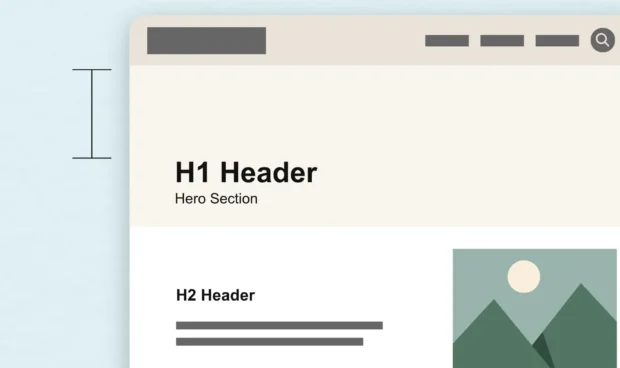
September 22, 2026
White Space Is One of the Most Powerful Design Tools
White space is more than empty space on a page. Learn how intentional spacing in web design improves readability, guides attention, and creates a better user experience.
Read Post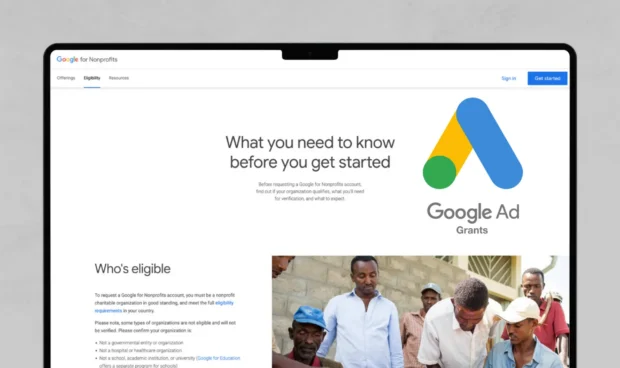
September 8, 2026
Google Ad Grant Eligibility: What Nonprofits Get Wrong
Many nonprofits focus on qualifying for the Google Ad Grant but overlook what comes next. This article explores the misconceptions that limit success, why strategy matters as much as eligibility, and how organizations can turn free advertising into meaningful engagement with donors, volunteers, and the communities they serve.
Read Post