
Picture a pastor in a mid-sized Pennsylvania congregation. Attendance has dipped for the third straight year, a volunteer runs the church’s Facebook page when she remembers, and the website still lists last Easter’s service times. The board member suggests “doing more marketing,” and the room goes quiet.
That discomfort is common. Many churches worry that phrases like “church marketing strategies” reduce the gospel to a product. The idea of running Facebook and Instagram ads or sending direct mail feels like it belongs to local businesses, not the body of Christ. These instincts come from real convictions: a desire to rely on God’s leading, avoid consumer culture, and keep the focus on discipleship rather than attendance numbers.
Those hesitations are healthy because they force a better question. Instead of asking only “What works?” faithful leaders ask “What’s faithful?” Marketing can either distort or clarify your mission. The difference lies in motive, message, and method.
What Church Marketing Really Is (and Isn’t)
Church marketing, at its best, is simply clear communication. It helps people understand who your church is, what you believe, where you are, and how they can connect. Good marketing does not require a church to invent a new identity or chase whatever happens to be popular online. It gives the church’s existing mission a clearer path to the people it hopes to serve.
Church marketing should not rely on exaggerated promises, guilt, or pressure to increase attendance. It should not obscure the realities of Christian discipleship simply to make a church seem more appealing. Those tactics may attract attention, but they do little to build the trust and relationships that healthy ministry requires.
The early church offers an example of thoughtful communication. In Acts 17, Paul spoke to the people of Athens in a way that connected with their culture and existing understanding without compromising the truth of his message. The setting and language changed, but the message remained rooted in his faith.
Churches today face a similar communication challenge. The tools have changed, but the need to communicate clearly has not. A website, social media account, email newsletter, direct mail campaign, or paid advertisement is simply a channel. What matters is how the church chooses to use it. When those tools help people find answers, discover a community, or take a meaningful next step, they can support the work already happening in the church.

Start with Mission, Message, and Audience
A thoughtful church marketing strategy begins with prayer, Scripture, and honest conversations among church leaders about why the church exists and whom it is called to serve.
Once that foundation is clear, the church should be able to express its mission in language people can understand. A concise statement of who you are and what you offer your community should be recognizable across your website, social profiles, printed materials, and other communications.
The next step is understanding the people around you.
Defining an audience does not mean deciding who is welcome. It means paying attention to the people and needs God has placed around your church.
- A congregation in a growing suburb may find itself surrounded by young families looking for community and childcare support.
- A downtown church may be close to professionals who are experiencing isolation.
- A church in an aging community may have opportunities to serve older adults and their caregivers.
Pay attention to what is happening in your community. If local leaders are seeing a growing need for support among young parents, for example, a church might respond with a family-oriented gathering, parenting resource, or community event that reflects its existing ministries. If loneliness is a recurring concern, the church might create more opportunities for people to connect over a shared meal or small group. The marketing opportunity comes from listening first, then communicating how the church can genuinely help.
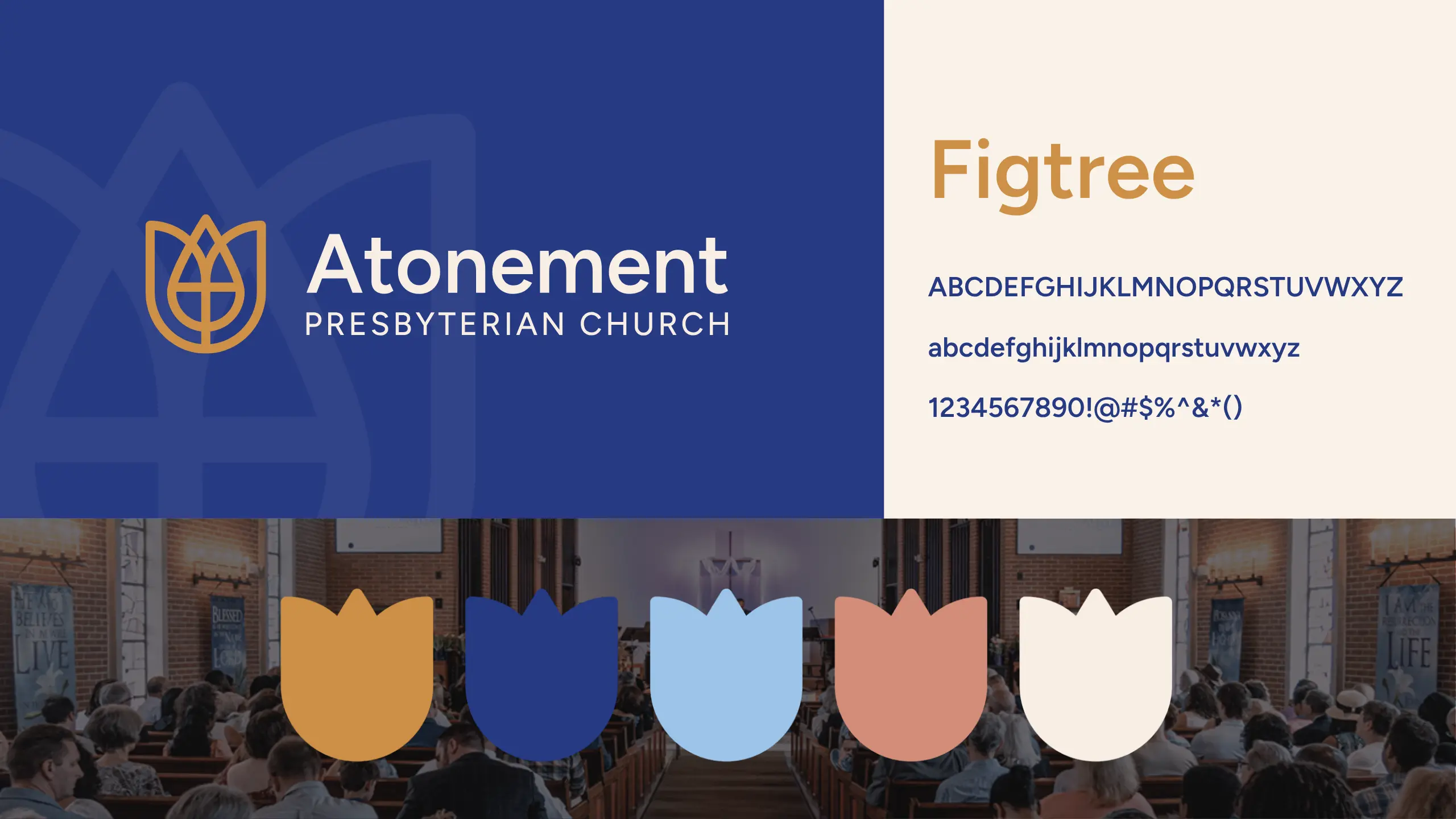
That same understanding should shape the church’s brand. A strong church brand creates consistency across the places people encounter the congregation, from its logo and colors to its photography, messaging, and overall tone. It should reflect the real personality and strengths of the church, whether those strengths include biblical teaching, hospitality, children’s ministry, recovery support, community service, or something else.
A simple brand standards guide can make that consistency easier, especially when multiple staff members and volunteers contribute to communications. The goal is to make the church recognizable and authentic wherever someone encounters it.
Choosing Tools That Match Your Mission
Once the mission and audience are clear, the next question is where and how to communicate. There is no single marketing channel that every church needs. The right mix depends on the people you are trying to reach, the resources available to you, and the role each channel can realistically play.
Your Website Is Your Digital Front Door
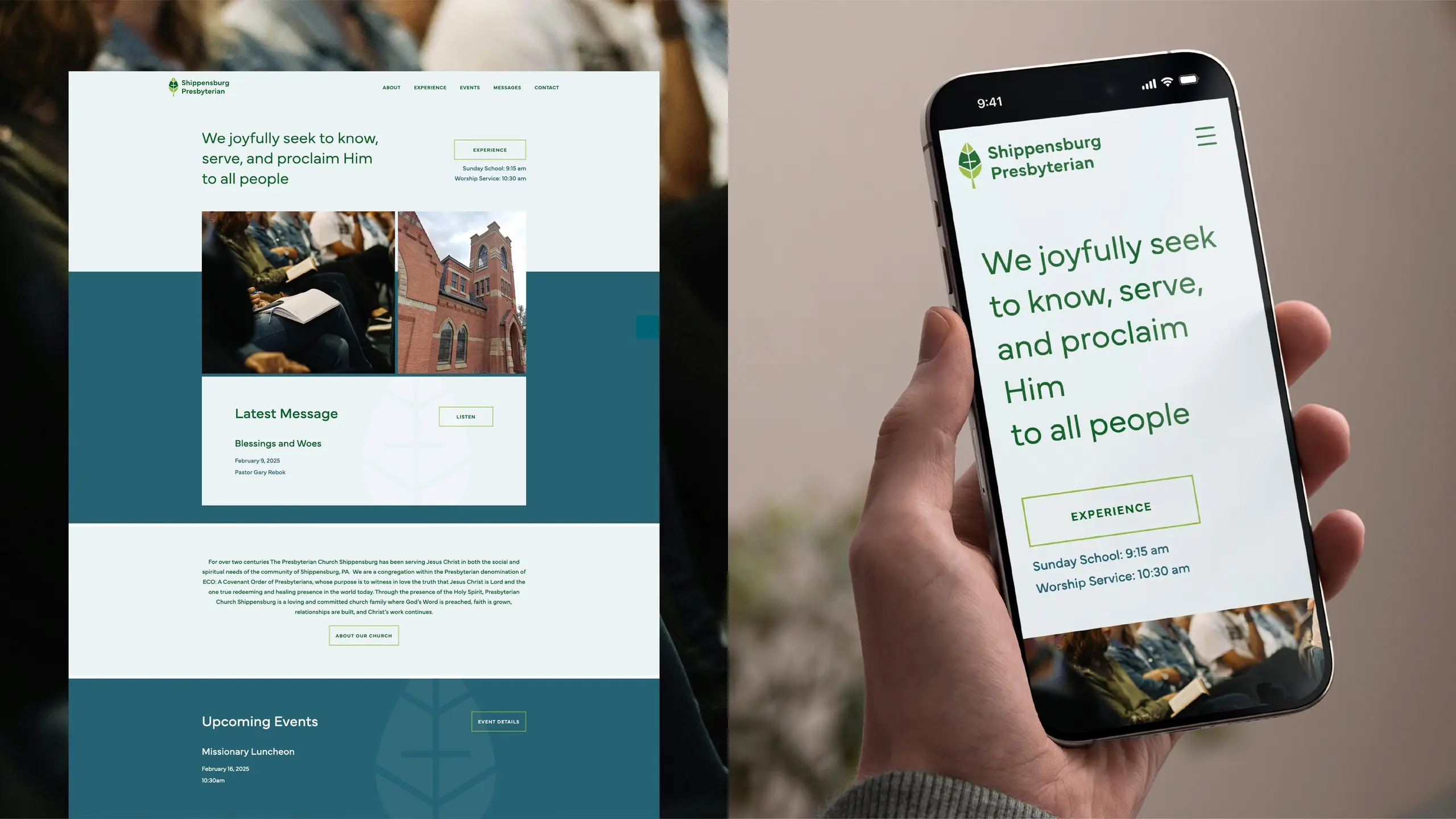
For many prospective visitors, your website will be one of their first interactions with your church. Before they walk through the doors, they may want to know where you meet, when services begin, what to expect, whether their children can participate, and what the church believes. Those answers should be easy to find.
Service times and location information should be prominent, and the site should work well on mobile devices. The website can also become a resource beyond Sunday morning. Sermon transcripts, articles, videos, and other helpful content can introduce people to your church’s teaching and provide useful answers to questions they are already searching online.
Social Content Builds Familiarity
Social media gives people a glimpse into the life of your church throughout the week. That makes it especially useful for showing the people, relationships, service, and community that someone may encounter when they visit.
A feed filled entirely with event announcements can start to feel like a bulletin board. Mix those announcements with content that encourages, educates, and invites conversation. Share stories from ministry, introduce volunteers and staff, highlight ways the church is serving its community, and offer helpful or encouraging content that reflects what your congregation cares about.
Photos and video can help prospective visitors get a feel for the church before they arrive. Short videos from pastors, ministry leaders, or members can put a human face to the congregation and make the first visit feel a little less unfamiliar.
Paid Ads Can Extend Your Reach
Rather than trying to advertise the church to everyone, a congregation might use a modest geographic radius to reach people nearby with a particular event, community program, or invitation to visit. The key is having something worthwhile to invite people into. An ad cannot make an unclear message compelling, and a beautifully designed campaign cannot substitute for a welcoming experience once someone arrives.
Churches may also qualify for programs such as Google Ad Grants, which can provide eligible nonprofits with advertising credits for Google Search. These programs can be valuable, but they still require thoughtful strategy and ongoing management.
Local search visibility matters, too. Keeping your Google Business Profile and other online listings accurate helps people find basic information about your church when they search for congregations nearby.
Email Keeps Relationships Moving
Email remains a useful way to communicate with people who have already shown interest in your church. A weekly newsletter can keep members informed, while event reminders and welcome messages can help new contacts stay connected between their first interaction and their first visit.
The best church emails feel useful rather than promotional. Give people a reason to open them. Share an encouraging thought, explain an upcoming opportunity, highlight something happening in the community, or provide information that helps people participate.
Traditional Outreach Still Has a Place
Not every person in your community is going to discover your church through Instagram or Google. Local partnerships, community events, printed materials, and direct mail can still play a role, particularly when they reach people who are less active online.
There is no universal percentage of a church budget that guarantees an effective marketing program. A church may be better served by choosing one or two channels it can manage consistently than spreading a small team across six platforms. Cross & Crown can help churches evaluate their options and prioritize a communications plan that makes sense for their goals and resources.
Designing an Authentic Visit Funnel That Feels Pastoral
A visit funnel is simply a clear, gentle path that helps someone move from first hearing about your church to feeling welcomed on Sunday and followed up with afterward. Churches using Plan Your Visit funnels can see a large increase in monthly visitors.
Here is how it works in practice: a targeted ad or social post leads to a simple Plan Your Visit page on your site. The page offers an optional RSVP form. That form triggers a personal confirmation email or text from a real leader, not an automated sequence. Digital connection cards can replace paper forms for visitor information requests, making the process smoother for guests who prefer their phones.
On Sunday, the experience continues with care:
- A friendly greeter who knows the guest’s name
- Clear directional signage that enhances the visitor experience at church facilities
- Kids’ check-in help so parents can relax
- A welcoming environment that reflects your congregation’s genuine warmth
Prompt follow-up systems can enhance visitor retention and engagement. Within 24 to 48 hours, someone from your church reaches out asking how the church can pray or serve, not just “come back next week.” Personal invitations remain one of the most effective ways to connect new people with a church, both before and after that first visit.
Cross & Crown helps churches map these touchpoints so technology supports relational ministry instead of replacing it.

Stewardship, Measurement, and Long-Term Partnership
Church marketing is stewardship: using time, volunteers, money, and resources wisely so your church is visible to those who are genuinely searching.
Measuring outreach effectiveness should include tracking first-time visitors and return rates. Pew Research reports that 67% of U.S. adults attend religious services a few times a year or less. The people you want to reach are out there but scattered. Tracking a few basics (website visits to your Plan Your Visit page, first-time guests per week, how many connect into groups afterward) tells you whether your communication is effectively serving real people.
Measurement is about asking whether your outreach supports discipleship outcomes, including stories of life change, baptisms, or people finding community.
Cross & Crown serves as a long-term partner, walking with churches through branding, website design, social strategy, SEO, and ongoing adjustments as your congregation changes. You do not have to become a marketer to communicate faithfully. You need a guide who understands both the tools and the theology.
If your church has a clear mission but struggles to express it consistently, let’s talk.

Cross & Crown
Based in Chambersburg, PA, we build & refine brands that inspire trust, drive engagement, lead with purpose, and ensure a thriving future.
Last Update: October 1, 2026
Read More

October 19, 2026
A/B Testing in B2B: The Marketing Experiment You’re Probably Not Running
A/B testing gives B2B marketers a practical way to learn what resonates with their audience. Explore how split testing can improve websites, campaigns, emails, and paid advertising while helping teams make smarter marketing decisions.
Read Post
October 12, 2026
The State of Marketing in the Age of AI
AI is changing how marketers work, from content creation and automation to personalization and campaign strategy. Here’s what we’re seeing, what we think is worth paying attention to, and why human strategy and creativity will continue to matter.
Read Post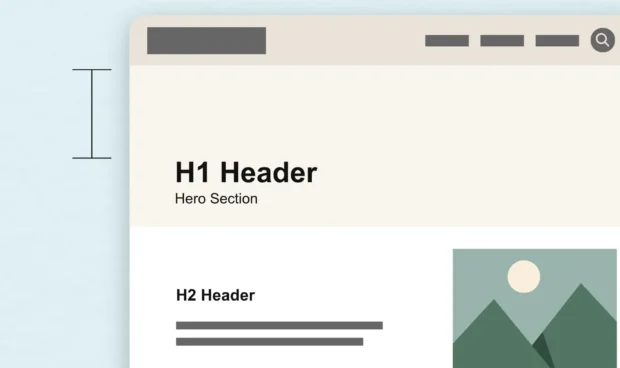
September 22, 2026
White Space Is One of the Most Powerful Design Tools
White space is more than empty space on a page. Learn how intentional spacing in web design improves readability, guides attention, and creates a better user experience.
Read Post